Aksaray Museum
- Museum
Known as the western gateway to Cappadocia, Aksaray has long been a vital cultural hub at the crossroads of Cappadocia and Central Anatolia. Recognized as one of the most significant museums in the region, Aksaray Museum invites visitors to witness thousa
About
Aksaray Museum: A Journey to the Deep Roots of Anatolia
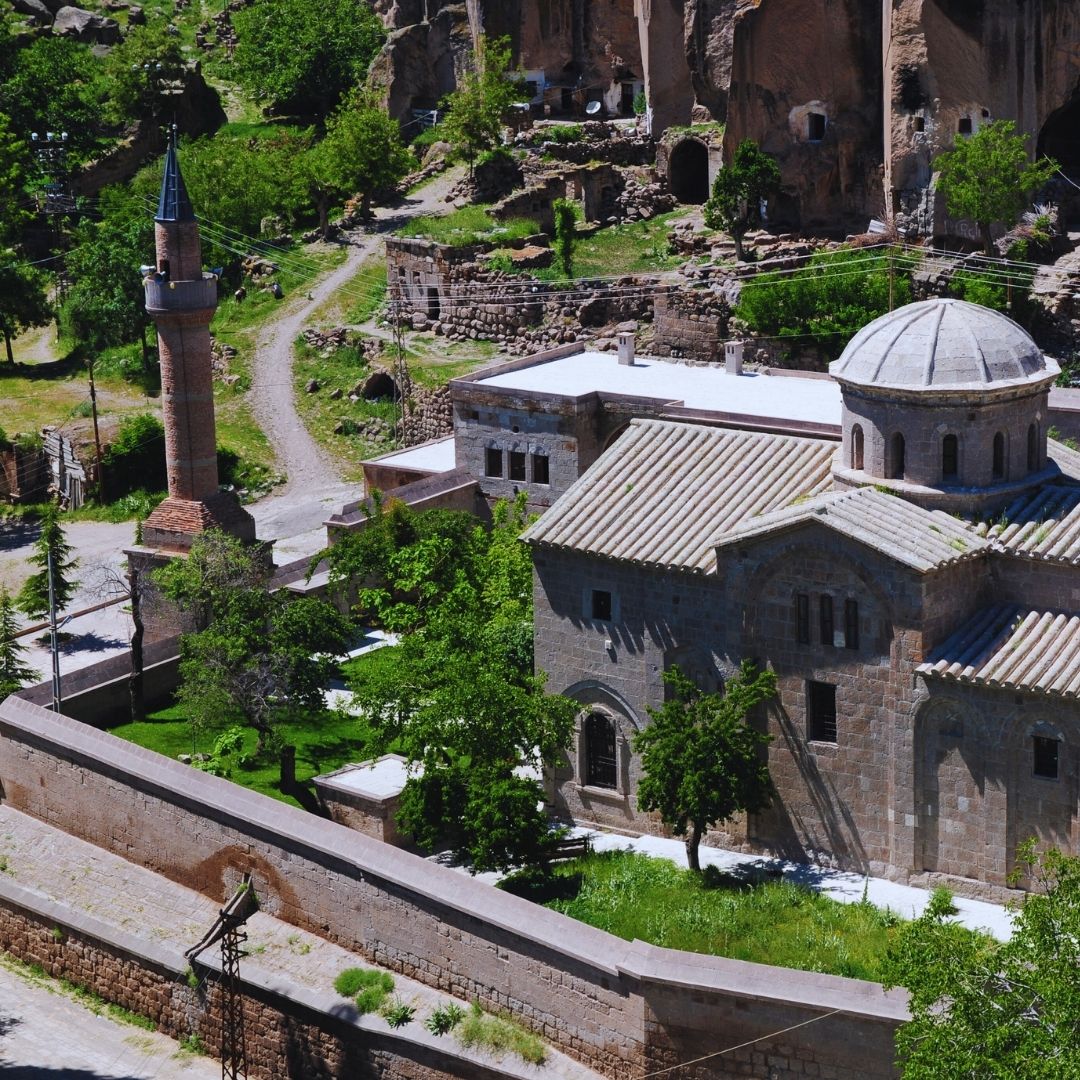
Known as the western gateway to Cappadocia, Aksaray has long been a vital cultural hub at the crossroads of Cappadocia and Central Anatolia. Recognized as one of the most significant museums in the region, Aksaray Museum invites visitors to witness thousands of years of history through its vast collection spanning from the Neolithic Period to the Ottoman Empire.
Both inside the museum and in its garden, exhibits showcase Aksaray’s rich archaeological heritage. Artifacts uncovered during the excavations at Musular Settlement, Güvercinkaya Settlement, and Acemhöyük are among the museum’s most captivating displays. Additionally, the child and cat mummies recovered from the Çanlı Church are standout objects that draw considerable interest from visitors.
The Collection of Aksaray MuseumAksaray Museum is one of the most comprehensive museums in Anatolia, preserving artifacts from a wide historical timeline, including:
Neolithic and Chalcolithic ArtifactsFindings from the Early Bronze Age and Assyrian Trade ColoniesWorks from the Phrygian, Classical, Hellenistic, Roman, and Byzantine PeriodsEveryday Objects and Handicrafts from the Ottoman PeriodArchaeological Discoveries from the Musular, Güvercinkaya, and Acemhöyük ExcavationsIn the museum’s garden, visitors can view predominantly Byzantine stone artifacts, sarcophagi, and inscriptions, while the indoor galleries house carefully preserved historical objects.
Museum HighlightsArtifacts from Musular and Güvercinkaya Settlements: These findings reveal some of the earliest traces of agriculture and sedentary life in Anatolia, providing crucial insights into the development of Aksaray and its surrounding region.Acemhöyük Excavations: As one of the most significant mounds in Anatolia, Acemhöyük evolved into a major trade center from the Early Bronze Age onward. The ceramics, seals, and everyday items discovered here rank among the museum’s most valuable archaeological treasures.Child and Cat Mummies from Çanlı Church: One of the most fascinating displays, these mummies, believed to date from the Byzantine period, highlight the unique practice of animal mummification in Anatolia and offer a rare glimpse into the region’s mystical past.Travel TipsExamine the Sarcophagi and Stone Artifacts in the Garden: The museum garden, reminiscent of an open-air museum, features Byzantine sarcophagi and inscriptions that offer insight into ancient burial traditions and artistic practices.Visit the Musular and Güvercinkaya Sections: Artifacts from these early settlements showcase life during the Neolithic Period, providing an essential perspective on the region’s evolution.Don’t Miss the Çanlı Church Mummies: The child and cat mummies are among the museum’s most intriguing objects. Studying these rare finds offers a fascinating look at the mystic aspects of Anatolian history.Enhance Your Visit with Advisormapp:Instantly reserve nearby restaurants via the app,Discover souvenir shops and take advantage of exclusive discounts,Use Advisormapp to get detailed directions to various attractions.Aksaray Museum, with its rich archaeological collection and artifacts that illuminate the deep history of Anatolia, is a must-visit destination. For anyone interested in tracing the legacy of the civilizations that once thrived in Cappadocia and beyond, this museum offers an unparalleled journey of discovery! 🚀✨
Location
Değerlendirmeler
Nearby places
More places to discover in the same area.