Büyük Kilise Camii (Saint Gregory’s Church)
- Religious
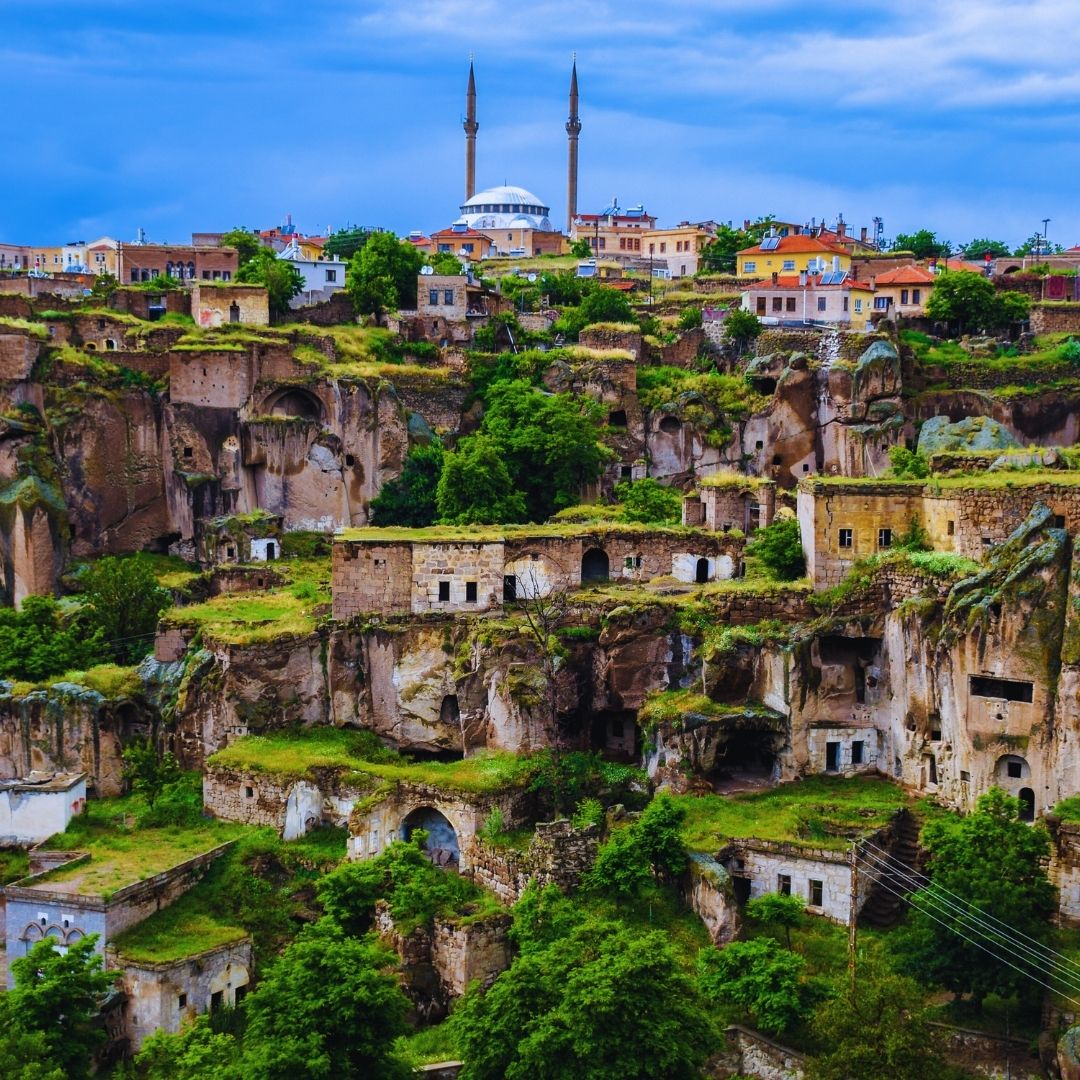
Güzelyurt is one of the most important districts in Cappadocia in terms of historical and cultural heritage, holding great significance for the Orthodox world. Once home to the largest church in the region, Saint Gregory’s Church, it is now used as Büyük
About
Büyük Kilise Camii (Saint Gregory’s Church): The Transformed History of Güzelyurt
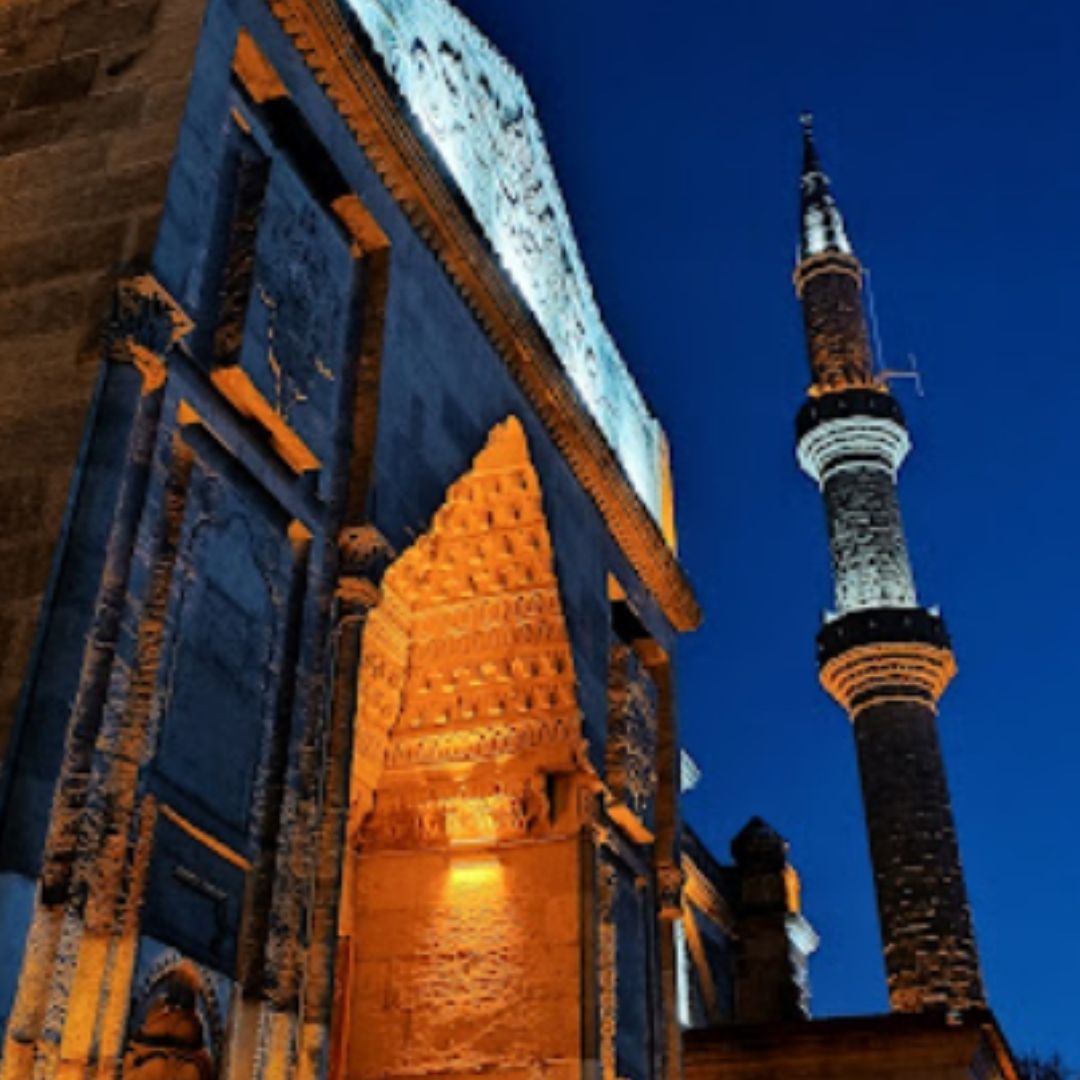
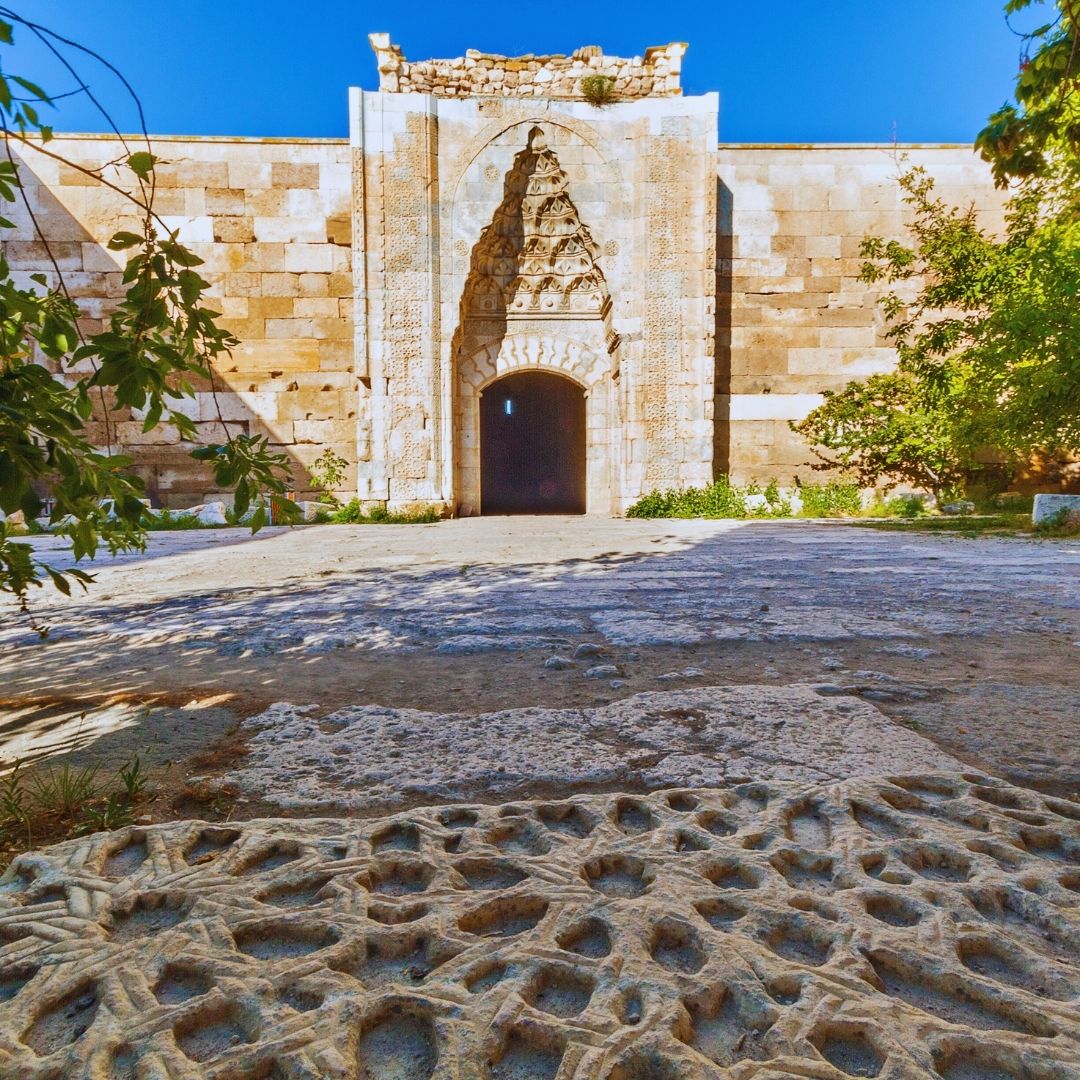
Güzelyurt is one of the most important districts in Cappadocia in terms of historical and cultural heritage, holding great significance for the Orthodox world. Once home to the largest church in the region, Saint Gregory’s Church, it is now used as Büyük Kilise Camii (Great Church Mosque).
Although the exact construction date is unknown, it is believed that the original church was built at the end of the 4th century during the reign of Byzantine Emperor Theodosius. Until the Turkish-Greek population exchange in 1924, this church served as the main place of worship for the Greek Orthodox community living in Güzelyurt.
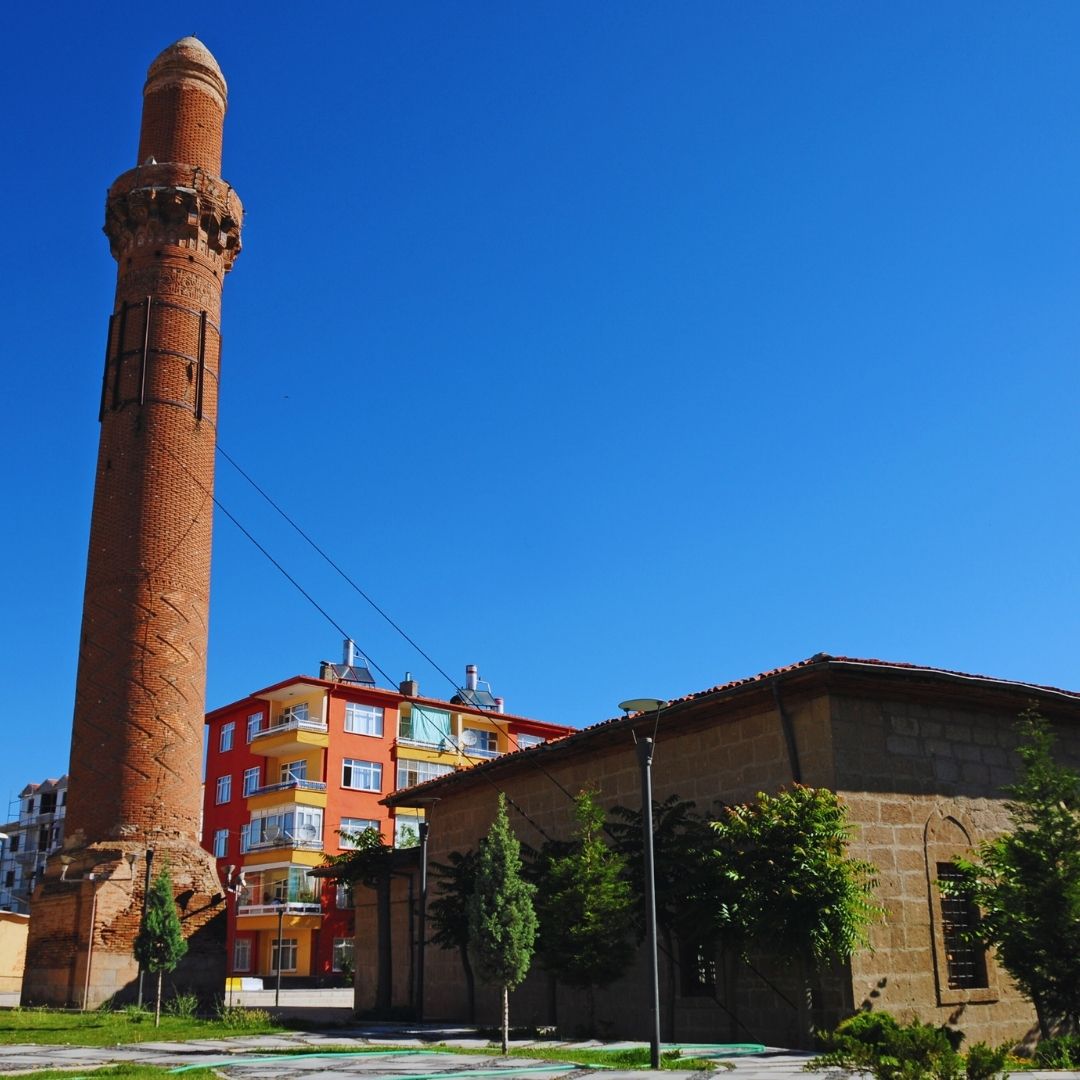
After the exchange, with the departure of the Greek population to Greece, the church was abandoned and later converted into a mosque, receiving the name Büyük Kilise Camii. The bell tower in the courtyard was transformed into a minaret, adapting the structure to its new function.
The emigrant Greeks established a new settlement in Crete, naming it Nea Kalvari, and built a new church there in honor of Saint Gregory, while many of the icons and religious objects from the original church were taken to Greece.
Architectural Features of Büyük Kilise CamiiCruciform Plan: The building’s layout follows a cross-shaped plan, common in classical Byzantine architecture.Eight-Drum, Domed Structure: The dome is supported on an octagonal drum, creating a spacious and airy interior.Conversion of the Bell Tower into a Minaret: The bell tower located in the courtyard was converted into a minaret during the church-to-mosque transformation, giving the building a new identity.The Ayazma in the Courtyard: The courtyard features an Ayazma (a holy water source), which is revered in the Orthodox faith and remains preserved to this day.Travel TipsExplore the Church-to-Mosque Transformation: Discover how this building, originally constructed as an Orthodox church during the Byzantine period, was later transformed into a mosque—an excellent example of cultural interaction in Cappadocia.View the Ayazma in the Courtyard: Examine the well-preserved Ayazma in the courtyard to learn more about the historical details of the structure.Tour Other Historical Sites in Güzelyurt: After visiting Büyük Kilise Camii, explore other historical landmarks such as Bucak Church, the Monasteries Valley, and Red Church to gain deeper insights into the region’s religious and cultural heritage.Enhance Your Visit with Advisormapp:Instantly reserve nearby restaurants via the app,Discover souvenir shops and enjoy exclusive discounts,Use Advisormapp to obtain detailed directions to various attractions.Büyük Kilise Camii reflects Güzelyurt’s multicultural past, bearing traces of both Byzantine and Ottoman architecture. For those wishing to witness the religious and architectural transformation of Cappadocia, this landmark is a must-visit destination. 🚀✨
Location
Değerlendirmeler
Nearby places
More places to discover in the same area.