Ihlara Valley
- Open Air Museum
Ihlara Valley, the largest valley in Cappadocia, offers visitors an unforgettable experience with its historical treasures, natural beauty, and unique hiking trails. Located 33 km to the southeast of Aksaray, the valley is a narrow and deep canyon stretch
About
Ihlara Valley: A Mysterious Canyon Where Nature and History Converge in Cappadocia
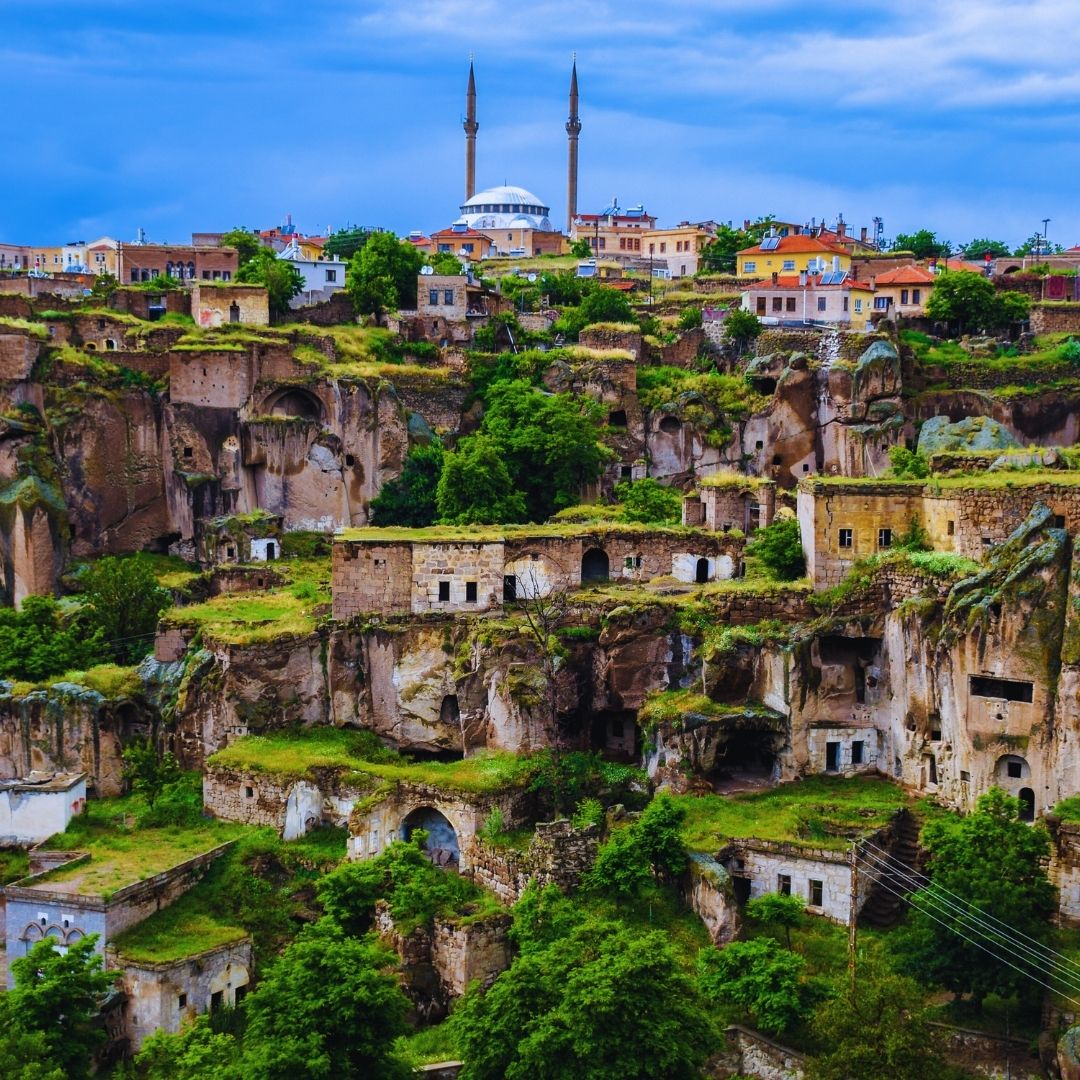
Ihlara Valley, the largest valley in Cappadocia, offers visitors an unforgettable experience with its historical treasures, natural beauty, and unique hiking trails. Located 33 km to the southeast of Aksaray, the valley is a narrow and deep canyon stretching for 14 kilometers, carved over millions of years by the erosive force of the Melendiz River on basalt rocks. With heights reaching 150–200 meters in some areas, it is considered one of Turkey’s most impressive valleys.
The ancient name of Ihlara Valley is "Peristrema." From the 4th century onward, Christian priests and monks used this secluded geography as a place for worship and refuge, contributing more than 100 rock-cut churches to the region. Today, 12 of these churches are open to visitors. A walk through Ihlara Valley is not only an immersion in nature but also a journey deep into history.
Ihlara Valley’s Entrance Gates and Their AdvantagesThe valley has several entrance points, each offering a different experience:
Main Entrance (Ihlara Town Entrance):Accessed by a staircase of 382 steps, this is the most popular and classic entry point for exploring the valley.It is the closest entrance to Ağaçaltı Church.Belisırma Entrance:Ideal for those who prefer a shorter walk, this entrance is closer to areas with dining and relaxation facilities.Selime Entrance:Located at the far end of the valley, this entrance allows visitors to complete the hike in the opposite direction.It is also a suitable point for those wishing to visit Selime Cathedral.The ideal route is to start from the Ihlara Entrance, take a break at Belisırma, and then continue toward Selime. However, visitors looking for a shorter tour can opt to enter directly from Belisırma and explore the key highlights of the valley with less exertion.
Must-See Spots in Ihlara ValleyAğaçaltı (Danyal Pantanassa) Church:One of the best-known churches and the closest to the Ihlara entrance, this church dates back to the 9th–11th centuries. Its frescoes feature biblical scenes and botanical decorations, and, similar to some other churches in Cappadocia, figures reminiscent of Mevlevi dervishes can also be seen.Pürenli Church:Located on the opposite bank of the Melendiz River, Pürenli Church is dated to the 10th–12th centuries. The structure consists of four sections, with tomb niches also visible.Kokar Church:Dating from the 9th–11th centuries, Kokar Church is notable for the large cross motif in its vaulted ceiling. Its frescoes depict scenes of prophets and saints from the Bible.Yılanlı Church:Accessible by a wooden bridge, this church derives its name from the “Four Sinful Women” scene depicted within. Dated to the 10th–11th centuries, its frescoes are remarkably well preserved.Sümbüllü Church:Compared to other churches in Ihlara Valley, Sümbüllü Church stands out with its large and elaborate façade. Its dome features a depiction of Jesus Pantocrator (the Creator of the Universe).Resting Spot in the Valley: BelisırmaAfter a long hike, take a break at Belisırma, where you can relax and savor local flavors. Wooden platforms built over the Melendiz River offer a delightful setting for enjoying a meal immersed in nature. Particularly popular dishes include trout and traditional village breakfasts.
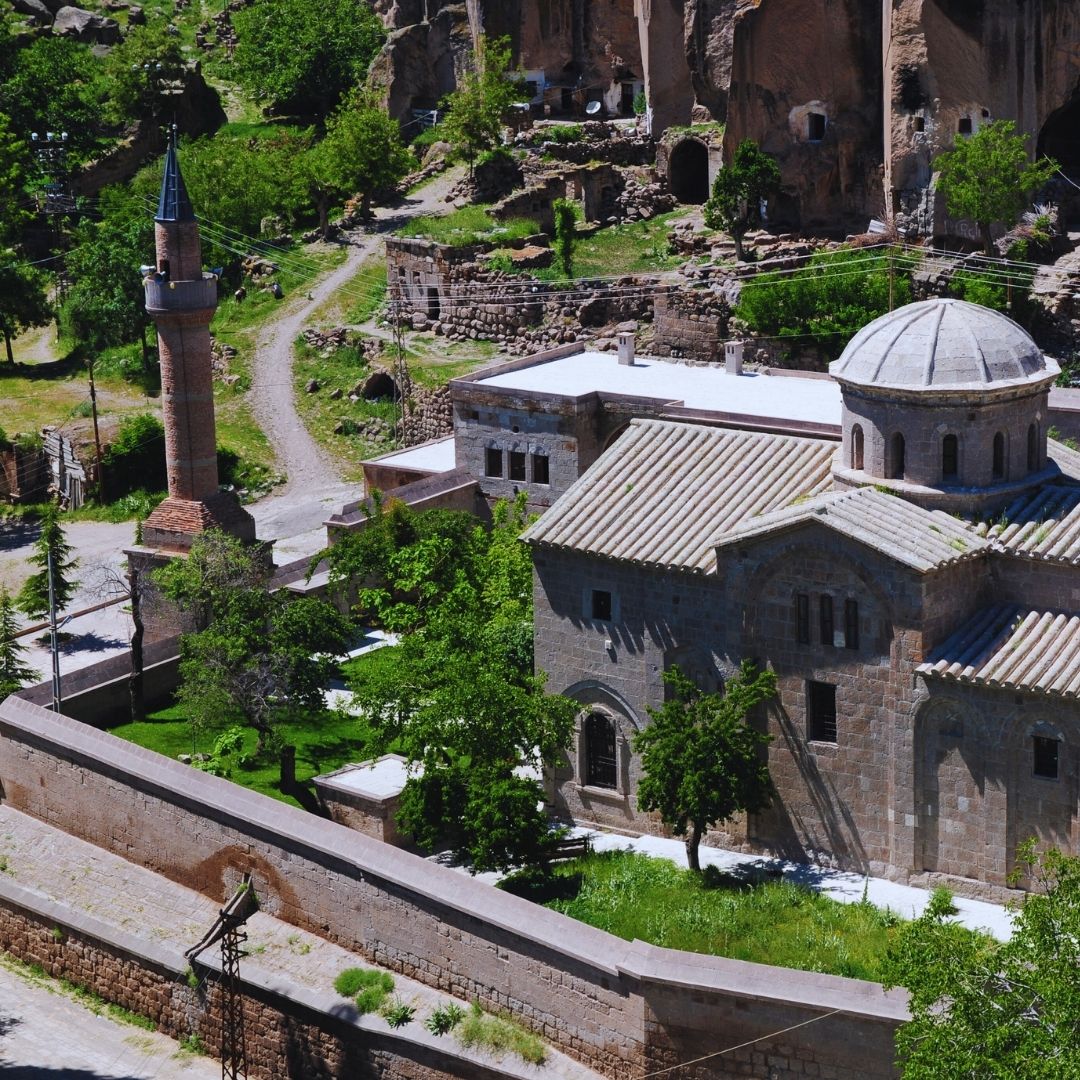
The Final Destination: Selime Cathedral and Rock-Cut MosqueOnce your hike through the valley is complete, you can visit Selime Cathedral and the Rock-Cut Mosque. Selime Cathedral is one of the largest rock-cut monastery complexes in Cappadocia, while the Rock-Cut Mosque is the only one of its kind in the region.
Travel TipsPlan Your Hike in Advance:To fully explore Ihlara Valley, start from the Ihlara Entrance, take a break at Belisırma, and then continue on to Selime. If you prefer a shorter tour, you can enter directly from Belisırma and visit the key points with less walking.Wear Comfortable Shoes:Since you will be hiking within the valley, choose comfortable, non-slip shoes.Take a Break by the Melendiz River:Relax on the seating areas built over the river at Belisırma and enjoy the refreshing natural ambiance.Examine the Frescoes in the Churches:The wall paintings in the valley’s churches are among the best preserved in Cappadocia. Be sure to visit Ağaçaltı, Kokar, and Yılanlı Churches to fully appreciate these artistic treasures.Enhance Your Experience with Advisormapp:Use the app’s audio guide for detailed information about the churches,Instantly reserve nearby restaurants via the app,Discover souvenir shops and enjoy exclusive discounts,Get detailed directions to various attractions using Advisormapp.Ihlara Valley: A Unique Heritage of Nature and CultureAs one of the largest and most impressive valleys in Cappadocia, Ihlara Valley is a truly unique destination for both nature walks and cultural exploration. With its historical churches, stunning natural beauty, and the refreshing coolness of the Melendiz River, it is an absolute must-visit. 🚀✨
Location
Değerlendirmeler
Nearby places
More places to discover in the same area.