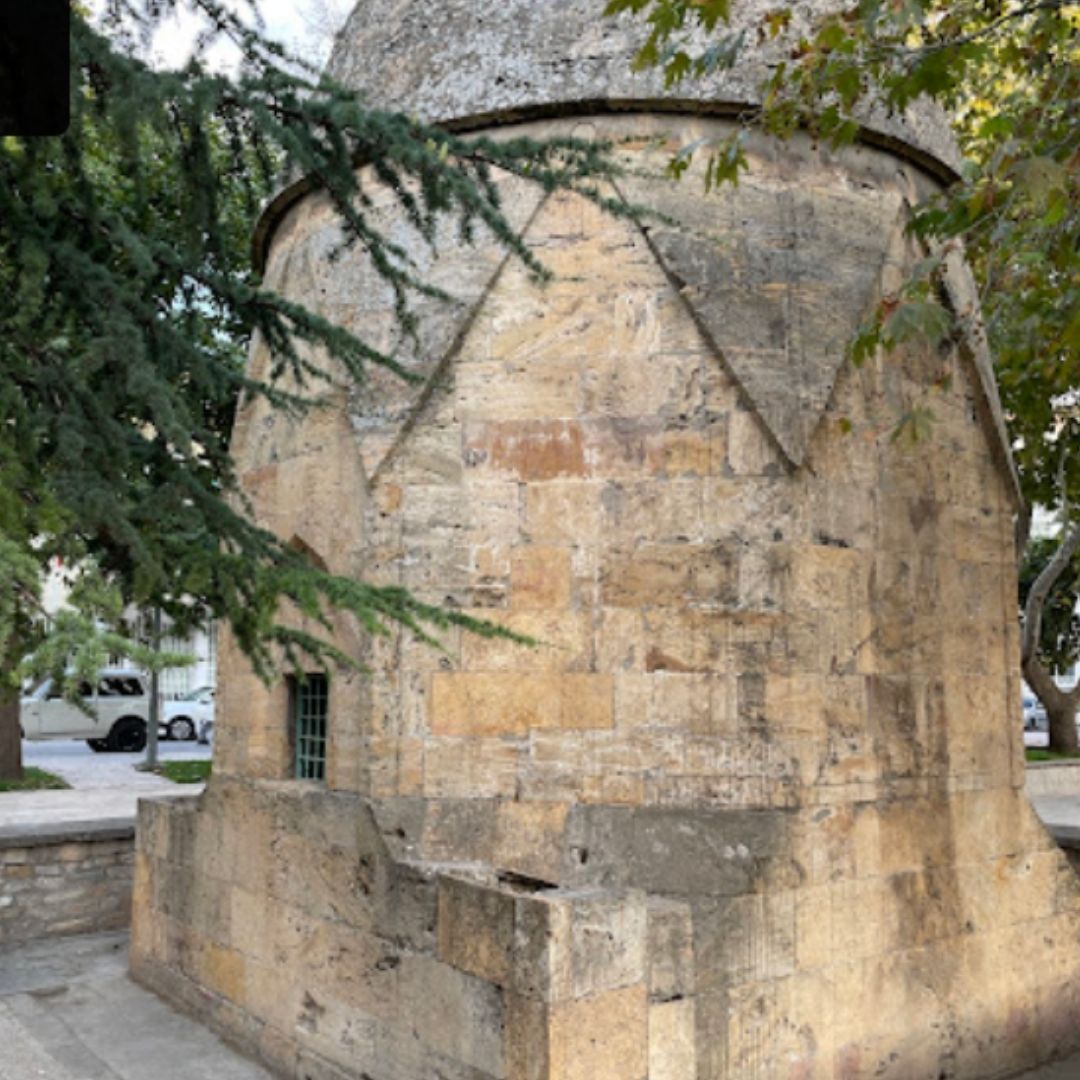
Aşık Paşa Mausoleum
- Historic
Located in Kırşehir, the Aşık Paşa Mausoleum is not just a tomb but also a symbol of the preservation of the Turkish language and culture. During the 13th century, when Arabic and Persian were widely used in Anatolia, Aşık Paşa dedicated himself to the d
About
Aşık Paşa Mausoleum: A Monument Dedicated to the Turkish Language and Culture
📍 Located in Kırşehir, the Aşık Paşa Mausoleum is not just a tomb but also a symbol of the preservation of the Turkish language and culture.
During the 13th century, when Arabic and Persian were widely used in Anatolia, Aşık Paşa dedicated himself to the development and promotion of the Turkish language. He holds an important place in literature and Sufism and is recognized as one of the most significant poets who wrote in the language of the people.
📖 His famous work, "Garipname", is a didactic mesnevi (rhymed narrative poem) consisting of 12,000 couplets, making it one of the foundational texts of Turkish literature.
📖 The book emphasizes Sufi teachings, moral development, and the richness of the Turkish language, serving as an essential resource in Turkish literary history.
📖 His works influenced Ottoman literature and later generations of Turkish poets.
Aşık Paşa Mausoleum: Architectural Significance
🔹 Built in 1333, the Aşık Paşa Mausoleum stands out as a unique example of Anatolian tomb architecture.
🔹 Its asymmetric façade, covered with white marble, and domed structure showcase Seljuk and early Ottoman architectural influences.
🔹 Despite its grand exterior, the interior of the mausoleum is simple and modest, reflecting the humility of Aşık Paşa’s teachings.
🔹 The site where the mausoleum was built was originally used by Aşık Paşa as a dervish lodge (zaviye), serving as a center for knowledge and spiritual guidance.
💠 This mausoleum not only commemorates Aşık Paşa but also symbolizes his contributions to the Turkish language and cultural heritage.
Who Was Aşık Paşa?
📍 Born in 1272 in Horasan, Aşık Paşa later settled in Kırşehir, where he earned the respect and admiration of the local community.
📍 His father, Muhlis Paşa, was one of the pioneers of Sufism in Anatolia.
📍 Following in his father’s footsteps, Aşık Paşa established a dervish lodge (zaviye) to educate and enlighten the people.
📍 He was a strong advocate for Turkish as a literary and official language, which made him a key figure in Turkish literature.
📖 His work "Garipname" combined Sufi philosophy and the power of the Turkish language, making it accessible to the common people.
📖 At a time when Arabic and Persian dominated literature, his writings helped establish Turkish as a recognized literary language.
Aşık Paşa’s ideas and works played a fundamental role in shaping Turkish literature, culture, and Sufism.
Why Visit Aşık Paşa Mausoleum?
✔ To visit the tomb of one of the most influential figures in Turkish literature.
✔ To witness a remarkable example of Seljuk and early Ottoman architecture.
✔ To explore the traces of Turkish cultural and Sufi traditions.
✔ To discover one of the most significant historical sites in Kırşehir.
Travel Recommendations
📍 After visiting the Aşık Paşa Mausoleum, explore other historical and cultural landmarks in Kırşehir:
• Cacabey Madrasah (Mosque) – One of the most important astronomy schools of the Seljuk era.
• Ahi Evran Mosque and Mausoleum – The tomb of the founder of the Ahilik (Ahi Brotherhood) system.
• Kırşehir Museum – Home to archaeological treasures that shed light on the region’s history.
• Melik Gazi Mausoleum – One of the key tombs from the Seljuk period.
📲 Make your journey easier with Advisormapp:
• Find the best routes to Aşık Paşa Mausoleum.
• Discover other historical and cultural sites in Kırşehir.
• Explore nearby restaurants and shopping spots.
Aşık Paşa Mausoleum: A Symbol of Turkish Language and Culture
The Aşık Paşa Mausoleum stands as a monument to one of the most influential figures in Turkish literature and Sufism. This remarkable site in Kırşehir offers both historical and cultural insights, allowing visitors to connect with Turkey’s literary and spiritual heritage.
Honor the legacy of Aşık Paşa and explore his cultural impact by visiting his tomb in Kırşehir! 🚀✨
Location
Değerlendirmeler
Nearby places
More places to discover in the same area.