About
Mevlâna Museum: The Spiritual Heart of Konya
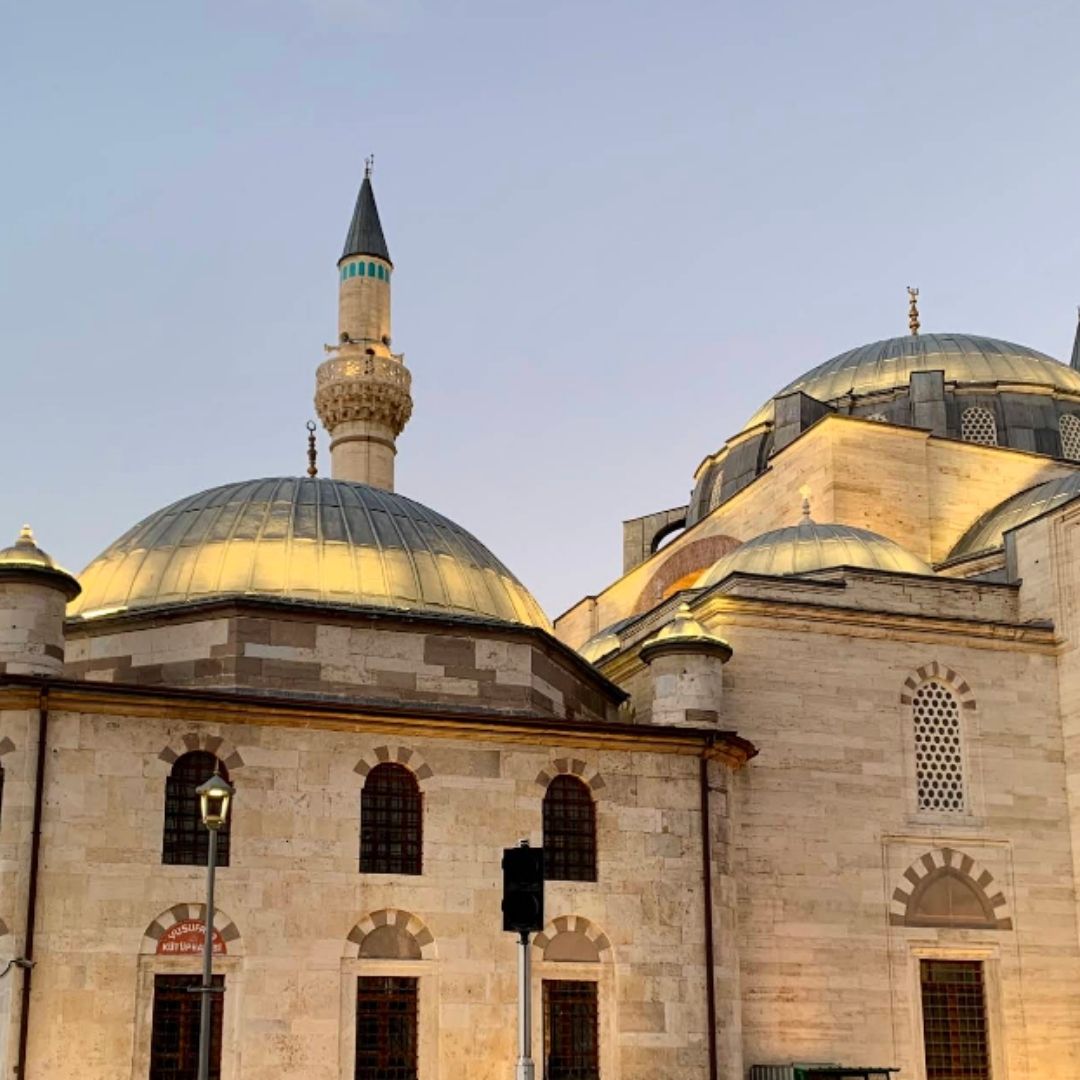
Located within the Mevlâna Dervish Lodge, the Mevlâna Museum is one of the most significant centers of Sufism and the Mevlevi Order. Originally opened as the "Konya Asâr-ı Atîka Museum" in 1926, it was renamed the "Mevlâna Museum" in 1954, taking its current form.
The museum complex was built on the rose garden of the Seljuk palace, which Sultan Alâeddin Keykubad gifted to Mevlâna’s father, Sultanü’l-Ulemâ Bahâeddin Veled. After Sultanü’l-Ulemâ passed away in 1231, he was buried at this site. Later, in 1273, Mevlâna’s son, Sultan Veled, commissioned the construction of a tomb. The mausoleum, known as "Kubbe-i Hadra" (the Green Dome), was built in 1274 by the architect Tebrizli Bedreddin.
Must-See Artifacts in the Mevlâna Museum
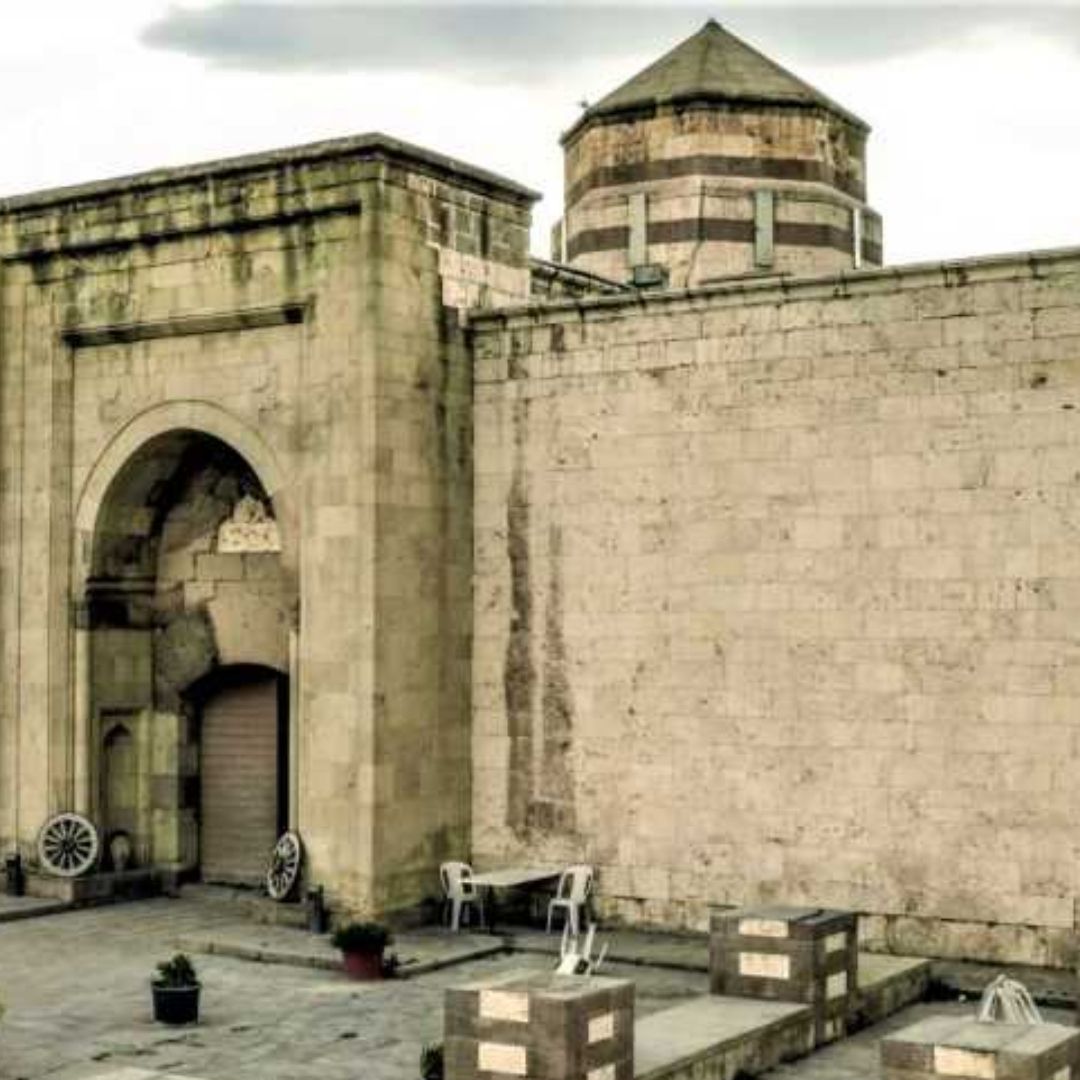
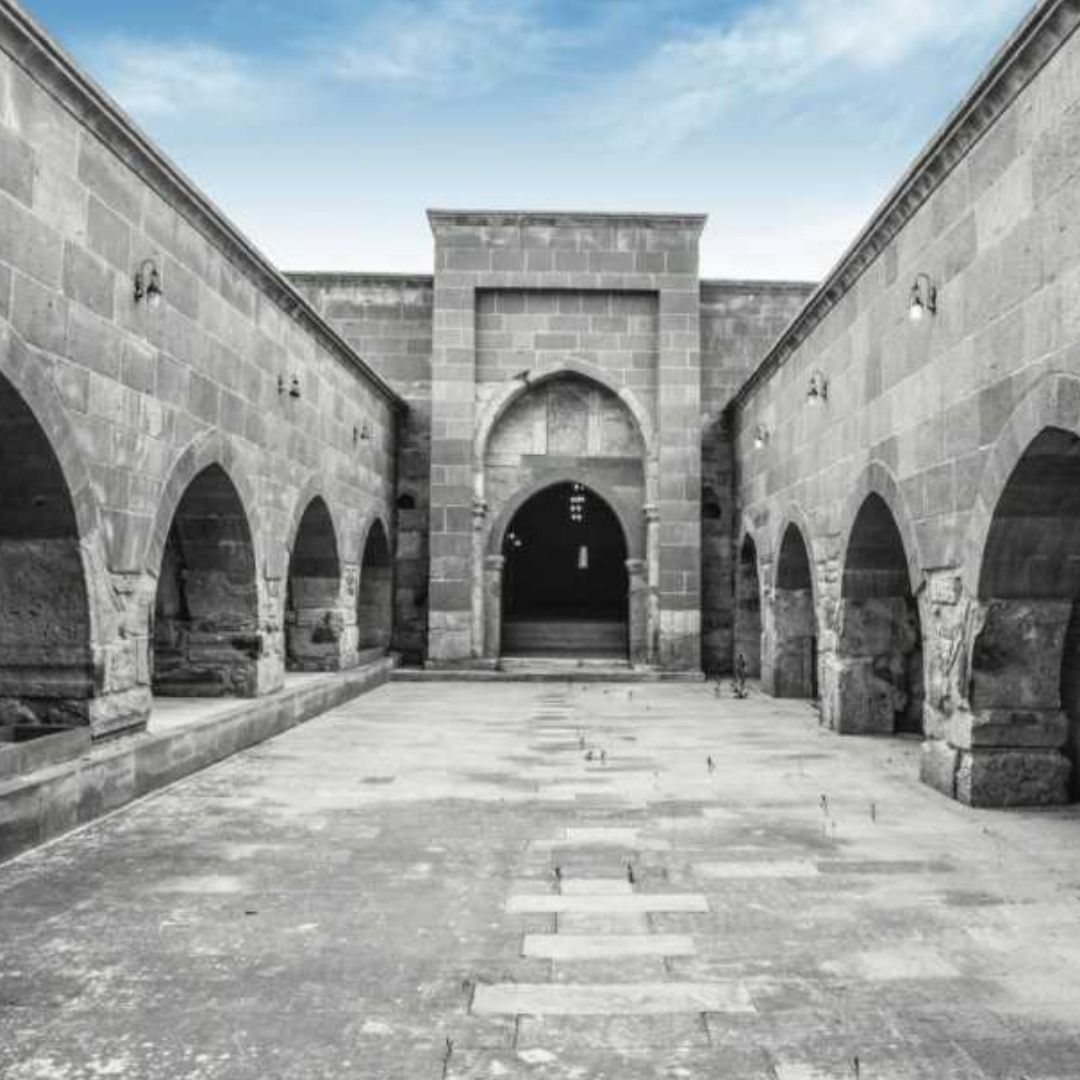
The Mevlâna Museum houses many significant artifacts related to the history of Sufism. Visitors enter the courtyard through the "Dervishân Gate." The northern and western sides of the courtyard contain dervish cells, while the southern side has the Hâmûşân Gate. The eastern part includes the main building, where Mevlâna and his family’s tombs are located.
🔹 Mevlâna’s Sarcophagus
The walnut wood sarcophagus of Mevlâna was crafted in 1274 by Konyalı Genakoğlu Hümâmeddin Mehmed and Tebrizli Selimoğlu Architect Abdülvâhid