About
Kilistra Ancient City: Konya’s Hidden Rock-Cut Settlement
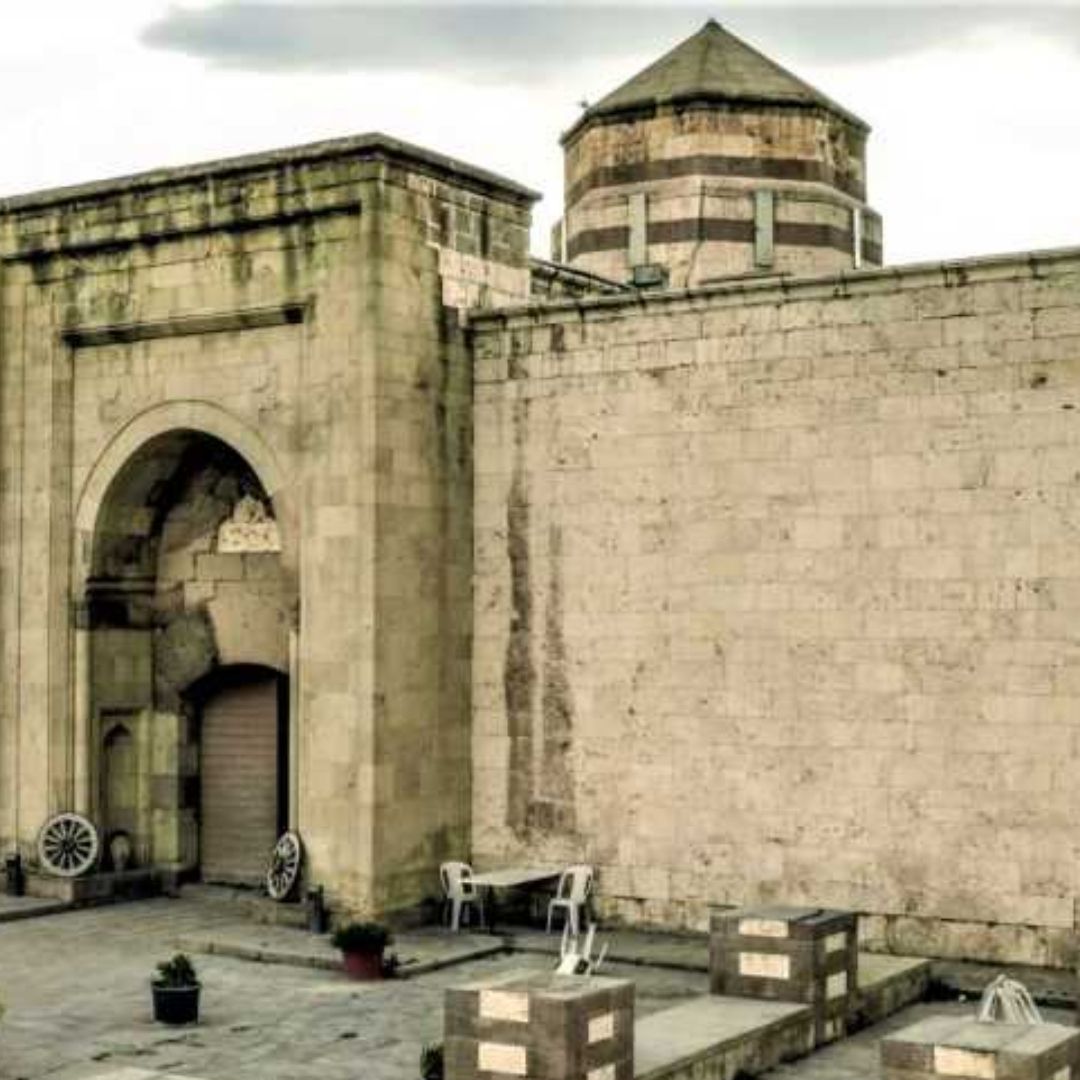
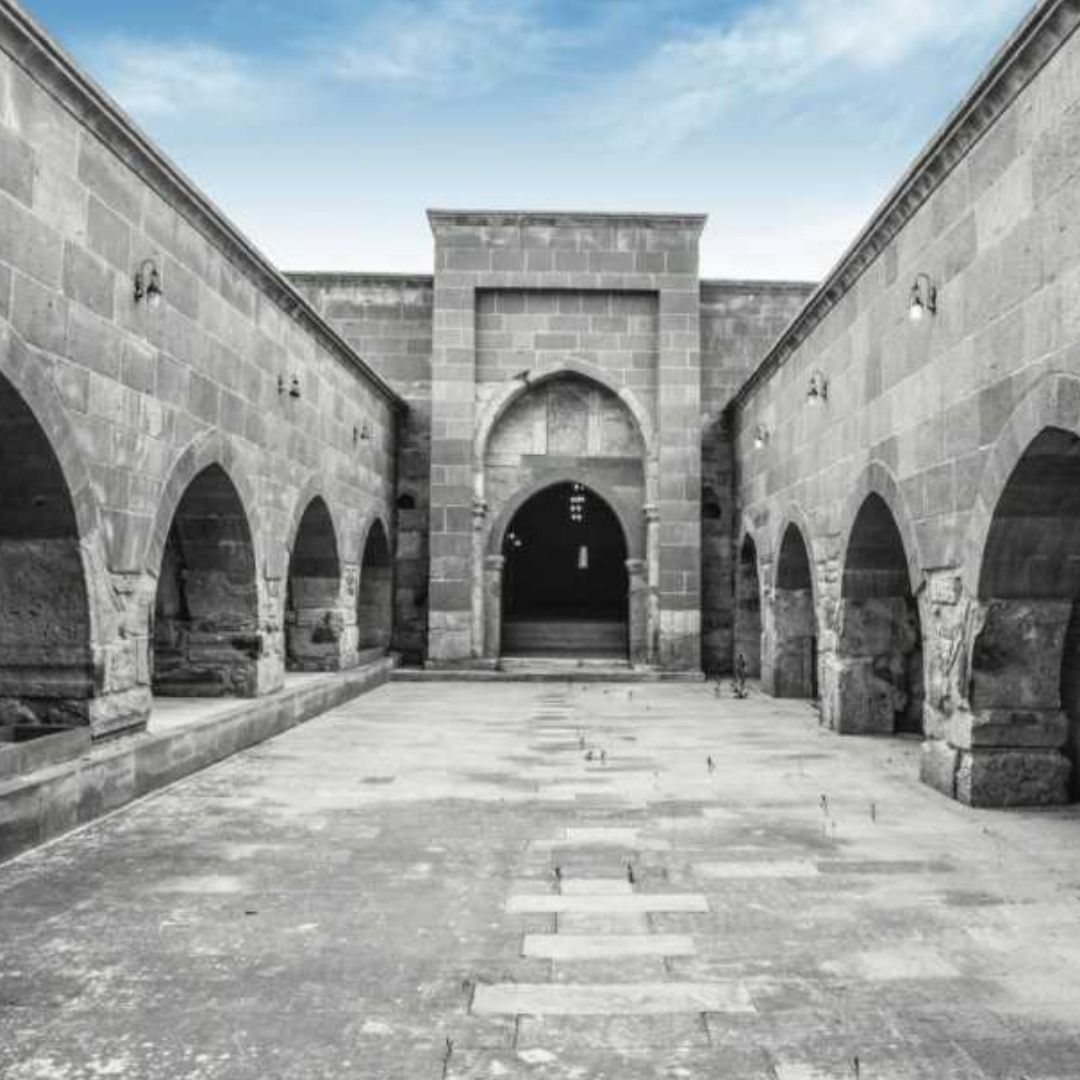
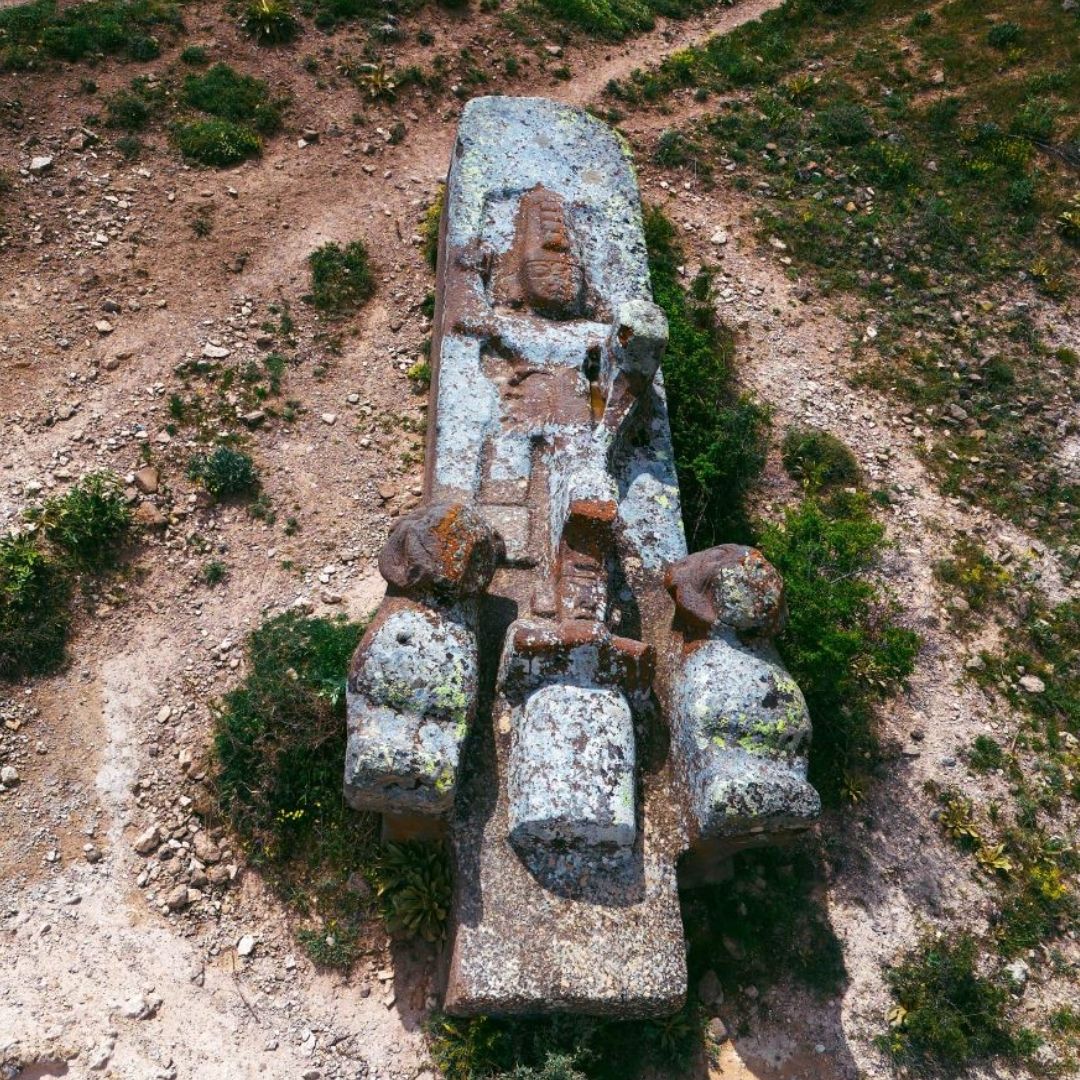
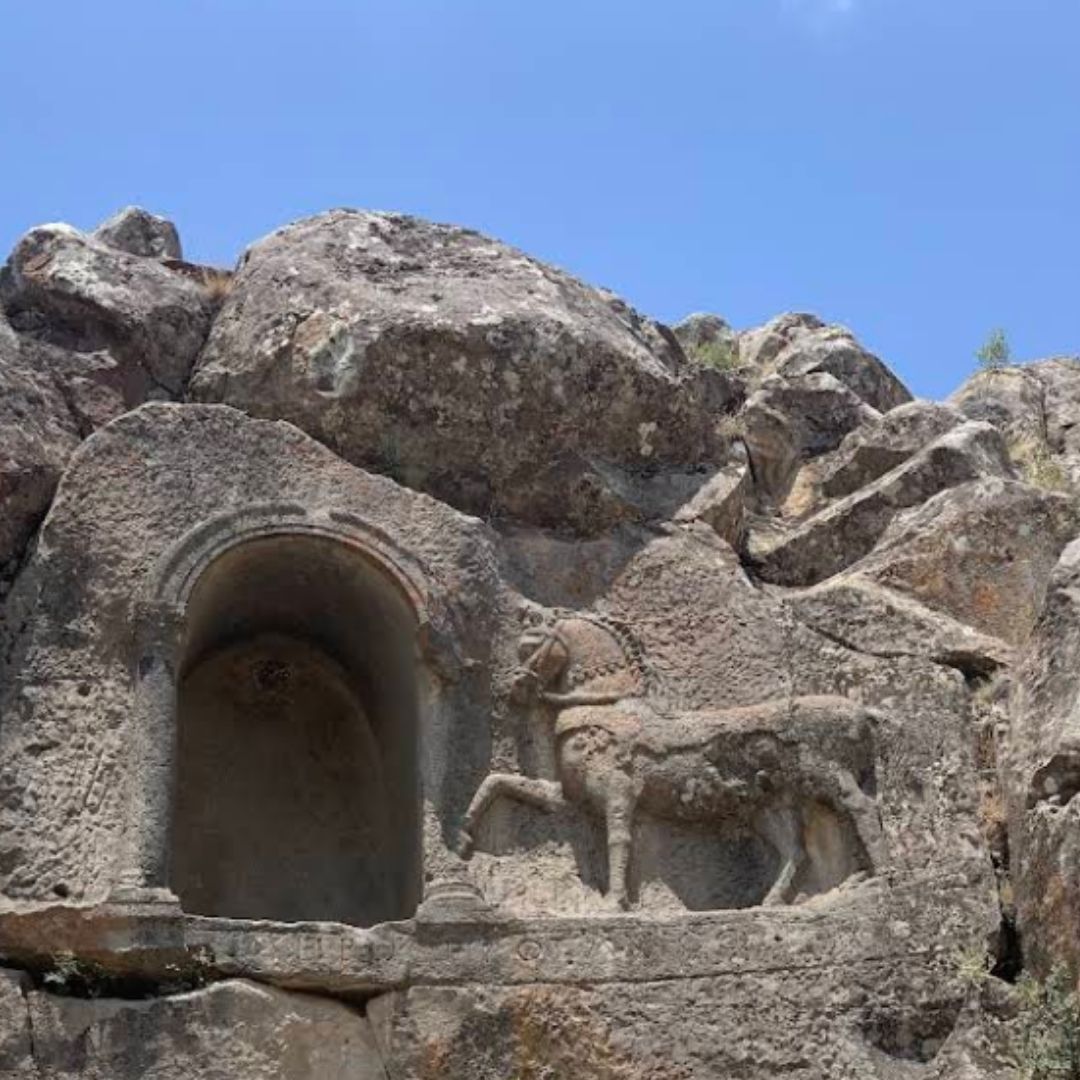
Kilistra Ancient City is an important archaeological site located in the Gökyurt village of Hatunsaray (Lystra), in Konya’s Meram district, with a history dating back to the Late Bronze Age. Kilistra has been a settlement since the Hellenistic and Roman periods, but it gained prominence during the Early Byzantine period with its unique rock-cut architecture.
This ancient city, built in harmony with natural rock formations, resembles the famous Cappadocia region. The ruins in the area indicate that Kilistra was not only a residential site but also a significant center for defense, worship, and trade.
Historical Significance of Kilistra
📜 From the Late Bronze Age to the Byzantine Era
🔹 Archaeological excavations and ceramic findings suggest that Kilistra’s history dates back to the Late Bronze Age.
🔹 Used as a settlement during the Hellenistic and Roman periods, Kilistra expanded significantly in the Byzantine era with its rock-cut structures.
✝️ The Spread of Christianity and the Influence of St. Paul
🔹 In the 1st century AD, St. Paul and Barnabas traveled through Pisidian Antioch (Yalvaç) to Konya and Lystra (Hatunsaray), contributing to the spread of Christianity in the region.
🔹 One of the first female Christian saints, St. Thecla (Aya Tekla), was also among those who accepted Christianity here.
🔹 After this period, Kilistra became an important monastic center for Christian hermits.
⚔️ Seljuk and Ottoman Rule