About
Karatay Madrasa Tile Works Museum: The Artistic Heritage of the Seljuks
📍 Location: Konya, Turkey
🏛 Era: Anatolian Seljuks (1251)
👑 Commissioned by: Emir Celaleddin Karatay
🎨 Architectural Style: Seljuk stone and tile craftsmanship
🖼 Opened as a Museum: 1955
A Gateway to Seljuk Tile Art
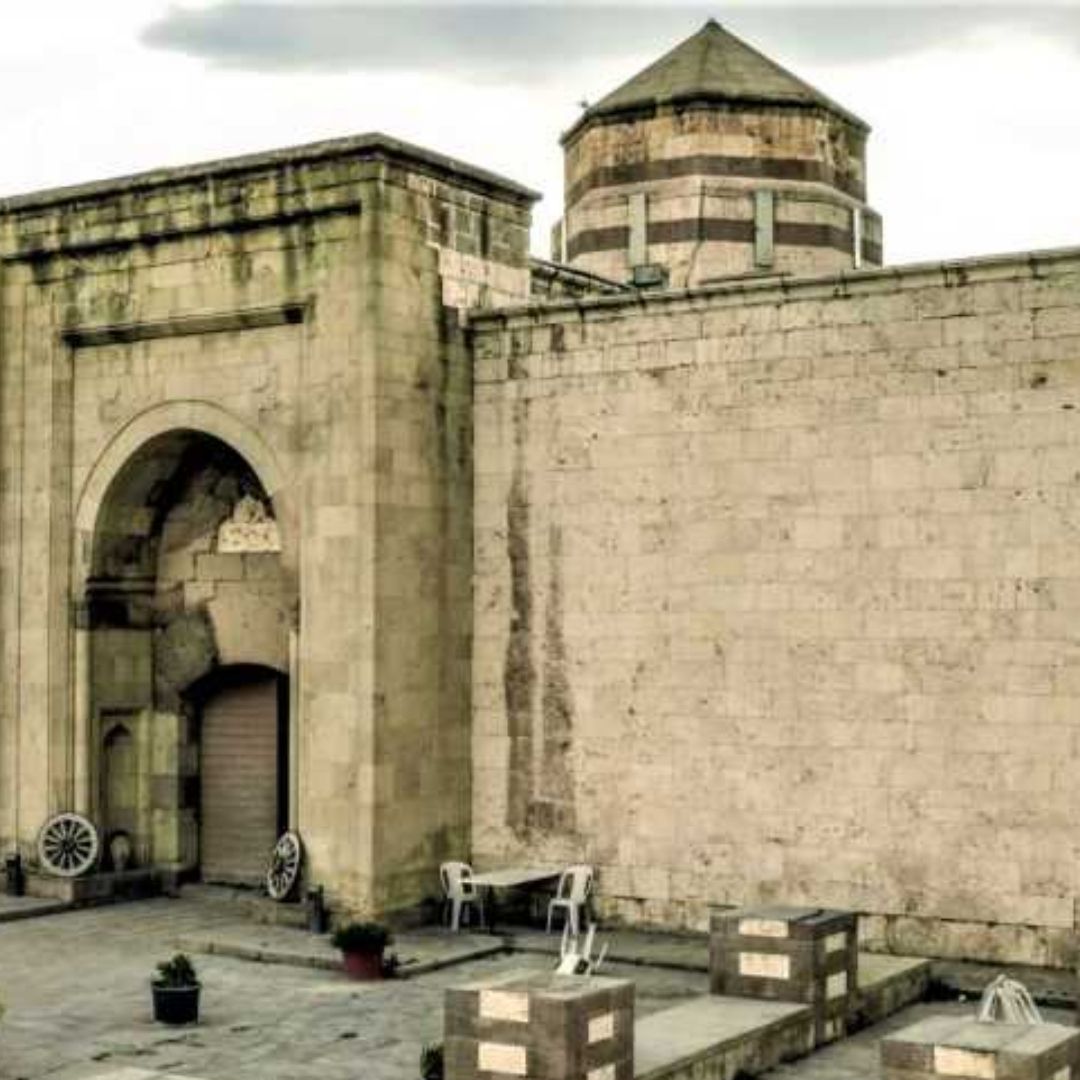
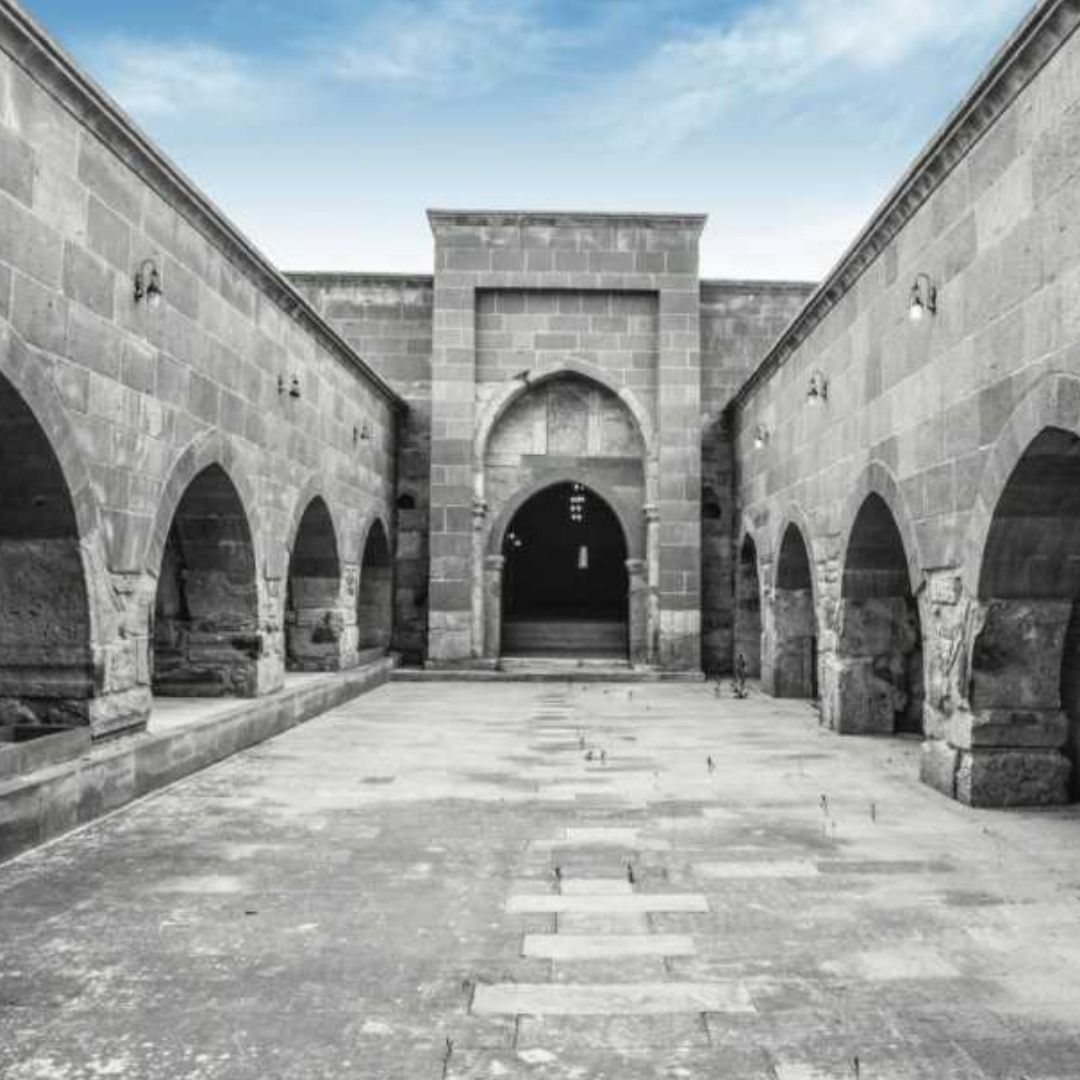
One of the most significant historical structures in Konya, Karatay Madrasa was built in 1251 by Emir Celaleddin Karatay during the reign of Sultan Izeddin Keykavus II. Designed as a madrasa with a closed courtyard, this structure is one of the finest examples of Seljuk tile art and today serves as the “Tile Works Museum.”
The entire interior of Karatay Madrasa is adorned with mosaic and panel tiles, making it one of the most exquisite examples of Seljuk stone craftsmanship. Its entrance gate is decorated with intricate geometric and floral motifs characteristic of Seljuk architecture, along with verses from the Quran and hadith inscriptions.
Architectural Features and Tile Art
🏛 A Masterpiece of Seljuk Architecture
🔹 The madrasa’s main walls were built from stone, while its dome and vaults were constructed from bricks.
🔹 The entrance gate, made of blue and white marble, showcases fine decorative craftsmanship.
🔹