Özkonak Underground City
- Historic
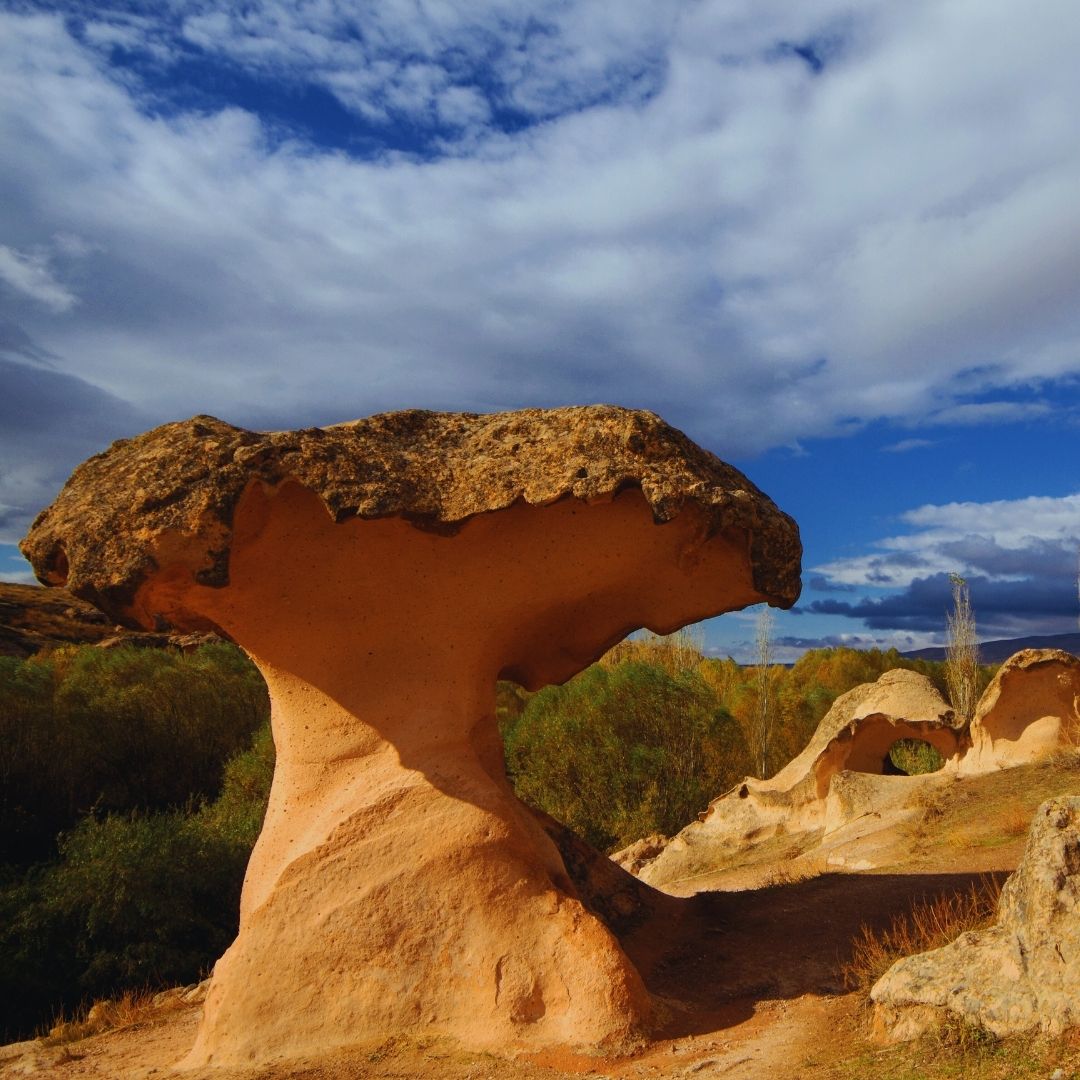
Cappadocia is renowned not only for its enchanting fairy chimneys and historical monuments but also for its mysterious underground cities. Although 36 underground cities have been discovered in the region so far, experts estimate that the total number cou
About
Özkonak Underground City: The Mysterious Depths of Cappadocia
Cappadocia is renowned not only for its enchanting fairy chimneys and historical monuments but also for its mysterious underground cities. Although 36 underground cities have been discovered in the region so far, experts estimate that the total number could be around 150–200. Among these unique formations, Özkonak Underground City stands out as one of the most remarkable.
Located 14 kilometers from Avanos and open to visitors since 1973, Özkonak distinguishes itself from other underground cities with its distinctive architecture and defensive system. These subterranean complexes began to be built in the 7th–8th centuries BC and were further developed during the Byzantine era. In particular, Christians fleeing Roman and Arab-Sasanian invasions found refuge here, where they were protected and able to practice their faith freely.
Carved into multiple levels beneath the ground and interconnected by tunnels and passageways, these structures offer visitors a chance to take a journey back in time. As you navigate the dark, narrow, and winding corridors, you can follow the traces of history step by step.
Architectural Features of Özkonak Underground City
Door Stones: One of the most striking features is the colossal door stone, measuring 170 cm in diameter, 60 cm thick, and weighing 506 kg. These stones were used to seal off entrances, providing protection against attacks.Ventilation Systems: As you descend deeper, ventilation shafts and tunnels ensured that fresh air reached the interior.Wells and Granaries: Özkonak contains wells to meet water needs and granaries where grains could be stored for long periods.Winery and Dining Halls: Reflecting Cappadocia’s famous vineyards, the underground city even maintained a tradition of winemaking. Dining halls and kitchens testify to an organized way of life beneath the surface.Defensive Holes: A key defensive feature of Özkonak is the specially designed holes between levels, approximately 10 cm in diameter and 3–4 meters long, which were used to pour hot oil or sand on invaders during an attack.
Travel Tips
Be Prepared for Narrow Passages:Some tunnels and passageways in Özkonak are quite narrow. Wear comfortable clothing and be ready to stoop or crouch as you move through the corridors.Join a Guided Tour:To gain deeper insights into the history, defensive mechanisms, and daily life within the underground city, consider joining a guided tour.Immerse Yourself in the Historic Atmosphere:During your visit, feel the ancient stone walls, walk under the dim lighting, and let the ambiance of this millennia-old structure transport you back in time.Explore Other Underground Cities in Cappadocia:In addition to Özkonak, consider visiting other underground cities like Derinkuyu, Kaymaklı, and Tatlarin to fully appreciate the region’s subterranean mysteries.Simplify Your Exploration with Advisormapp:View nearby restaurants and make instant reservations.Discover souvenir shops and take advantage of exclusive discounts.Use the Advisormapp app to get directions to various attractions.Prepare to uncover one of Cappadocia’s most impressive historical legacies by exploring Özkonak Underground City! Step into this hidden world beneath the earth and witness a story that spans centuries. 🚀✨
Location
Değerlendirmeler
Nearby places
More places to discover in the same area.