Hacıbektaş Archaeology and Ethnography Museum
- Museum
Cappadocia is renowned not only for its natural beauty but also for its rich cultural and archaeological heritage spanning thousands of years. Located in the Hacıbektaş district, the Hacıbektaş Archaeology and Ethnography Museum illuminates the region's p
About
Hacıbektaş Archaeology and Ethnography Museum: A Journey Through Millennia
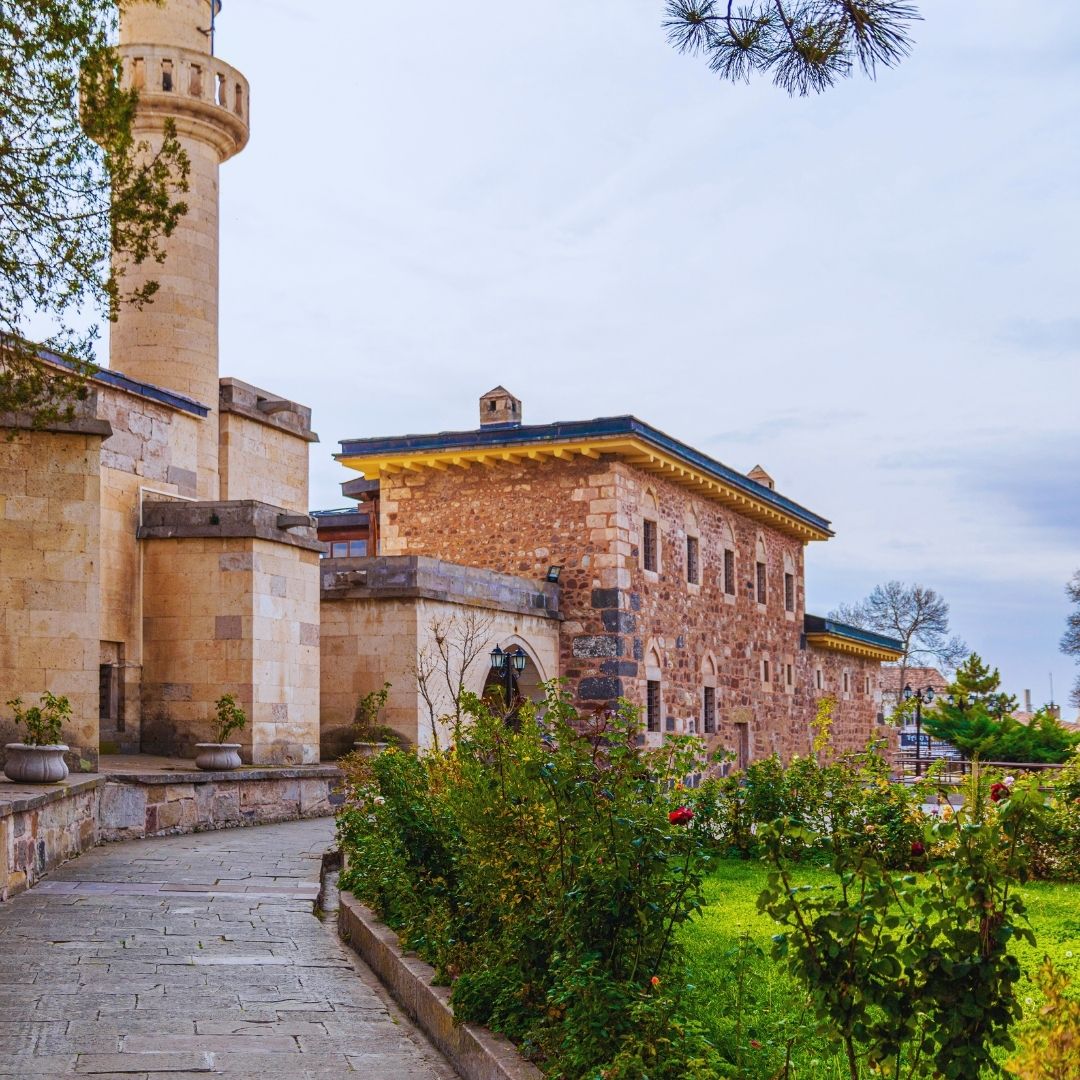
Cappadocia is renowned not only for its natural beauty but also for its rich cultural and archaeological heritage spanning thousands of years. Located in the Hacıbektaş district, the Hacıbektaş Archaeology and Ethnography Museum illuminates the region's past with artifacts ranging from the Old Bronze Age to the Roman and Eastern Roman (Byzantine) periods.
As one of the three museums under the Hacıbektaş Veli Museums umbrella, this museum carries the traces of the past into the present through its archaeological artifacts and ethnographic collections. The items on display not only reveal the historical richness of Cappadocia but also showcase the broad historical heritage of Anatolia.
Exhibits in the Museum
Archaeology Department
The museum boasts an extensive collection that spans from the Old Bronze Age through the Hittites, Phrygians, Hellenistic period, Roman, and Byzantine eras. In this department, you can find:
• Priapos figurines from the Roman period (symbols of masculinity and sexuality),
• Fired clay serving vessels,
• Altar vessels and ritual objects,
• Cubes, urns, as well as bone and glass items.
These artifacts provide insight into the daily life, religious rituals, and artistic sensibilities of ancient peoples.
Ethnography Department
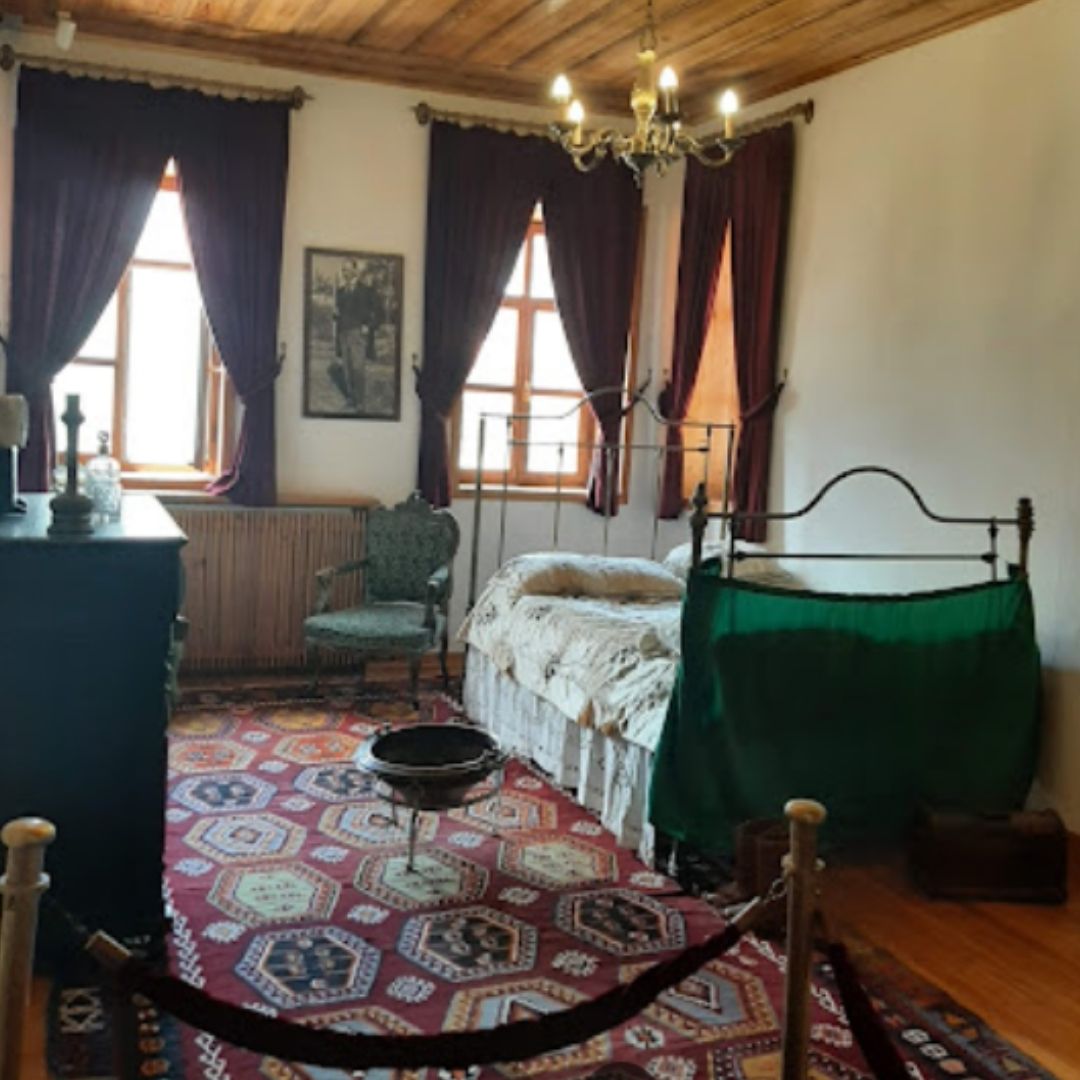
The ethnography section reflects the lifestyle of the local population through everyday objects dating from the 19th century to the early 20th century. Among the exhibits are:
• Embroidered traditional costumes,
• Silver jewelry and Ottoman coins,
• Copper kitchen utensils and handmade kilims,
• Collections of swords, daggers, and other weapons.
These ethnographic pieces are vital for understanding the development of cultural life in the region and the traditions of its people.
Travel Tips
• Discover the Traces of Different Civilizations:
Examine the extensive collection—from the Old Bronze Age to the Roman period—in detail to learn how Cappadocia has hosted various civilizations over the ages.
• Examine the Priapos Figurines:
One of the museum’s most eye-catching exhibits, the Priapos figurines from the Roman period, reveal the artistic concepts of ancient times.
• View Traditional Objects and Ottoman Jewelry:
The traditional costumes, silver jewelry, and old kitchen utensils displayed in the ethnography department offer important clues about everyday life in the past.
• Visit Other Cultural Sites in Cappadocia:
Complement your cultural journey by also visiting the Hacıbektaş Veli Museum and the Atatürk House Museum in the Hacıbektaş district.
• Enhance Your Exploration with Advisormapp:
Instantly reserve nearby restaurants by browsing through the app,Discover souvenir shops and take advantage of exclusive discounts,Use the Advisormapp app to get directions to various attractions.The Hacıbektaş Archaeology and Ethnography Museum is a unique stop for those wishing to explore the cultural and historical treasures of Cappadocia. By closely examining the historical artifacts, you can embark on an unforgettable journey into the lives of past civilizations! 🚀✨
Location
Değerlendirmeler
Nearby places
More places to discover in the same area.