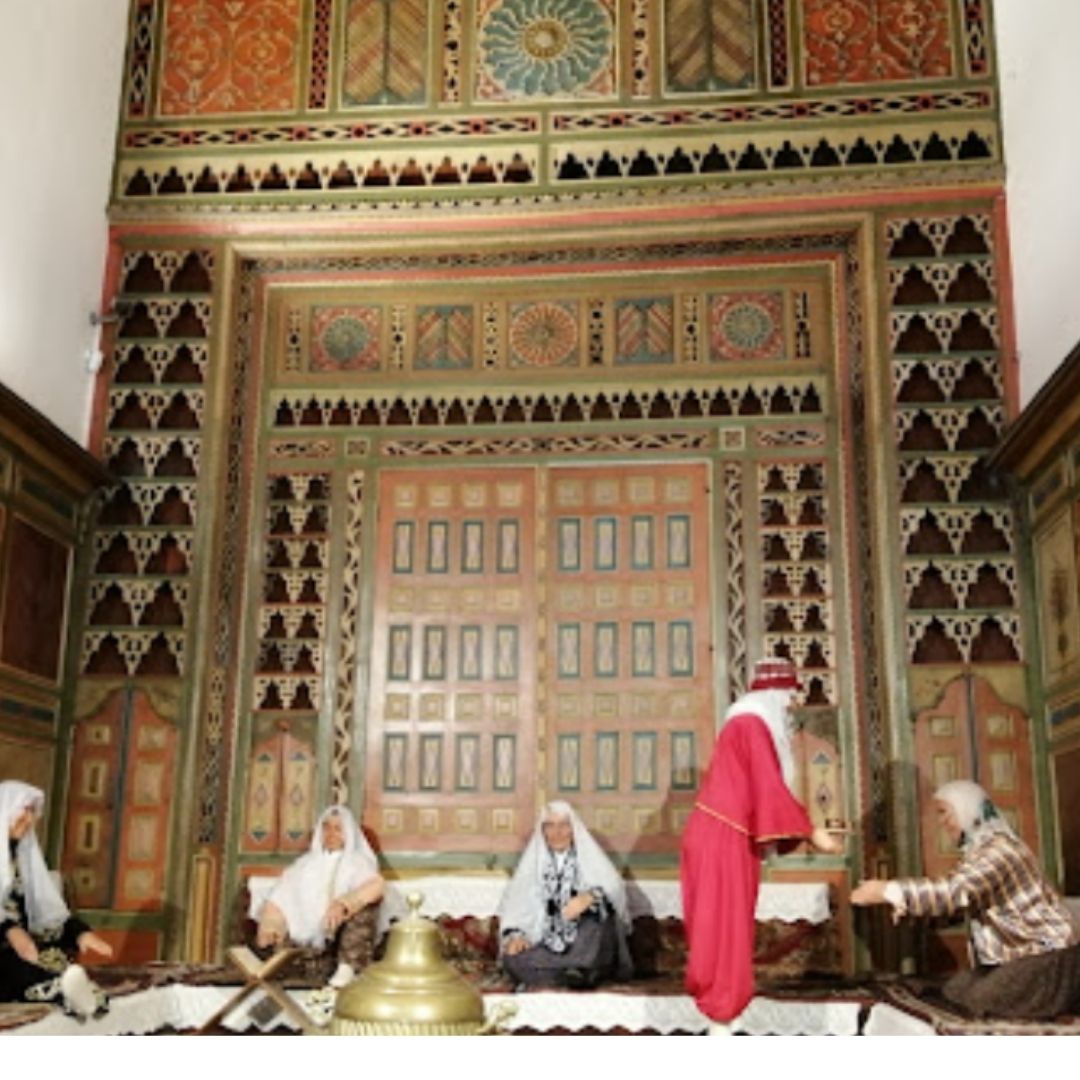
Hunat Hatun Complex
- Religious
One of the most significant Seljuk structures in Kayseri, Hunat Hatun Complex was built in the 13th century by Mahperi Hunat (Huand) Hatun, the wife of Seljuk Sultan Alaeddin Keykubad I and the mother of Keyhüsrev II. This magnificent architectural comple
About
Hunat Hatun Complex: The Historical Heritage of Kayseri
🏛 One of the most significant Seljuk structures in Kayseri, Hunat Hatun Complex was built in the 13th century by Mahperi Hunat (Huand) Hatun, the wife of Seljuk Sultan Alaeddin Keykubad I and the mother of Keyhüsrev II. This magnificent architectural complex consists of a mosque, madrasa, tomb, and bathhouse.
Architecture of the Hunat Hatun Complex
🔹 A Graceful Example of Seljuk Architecture
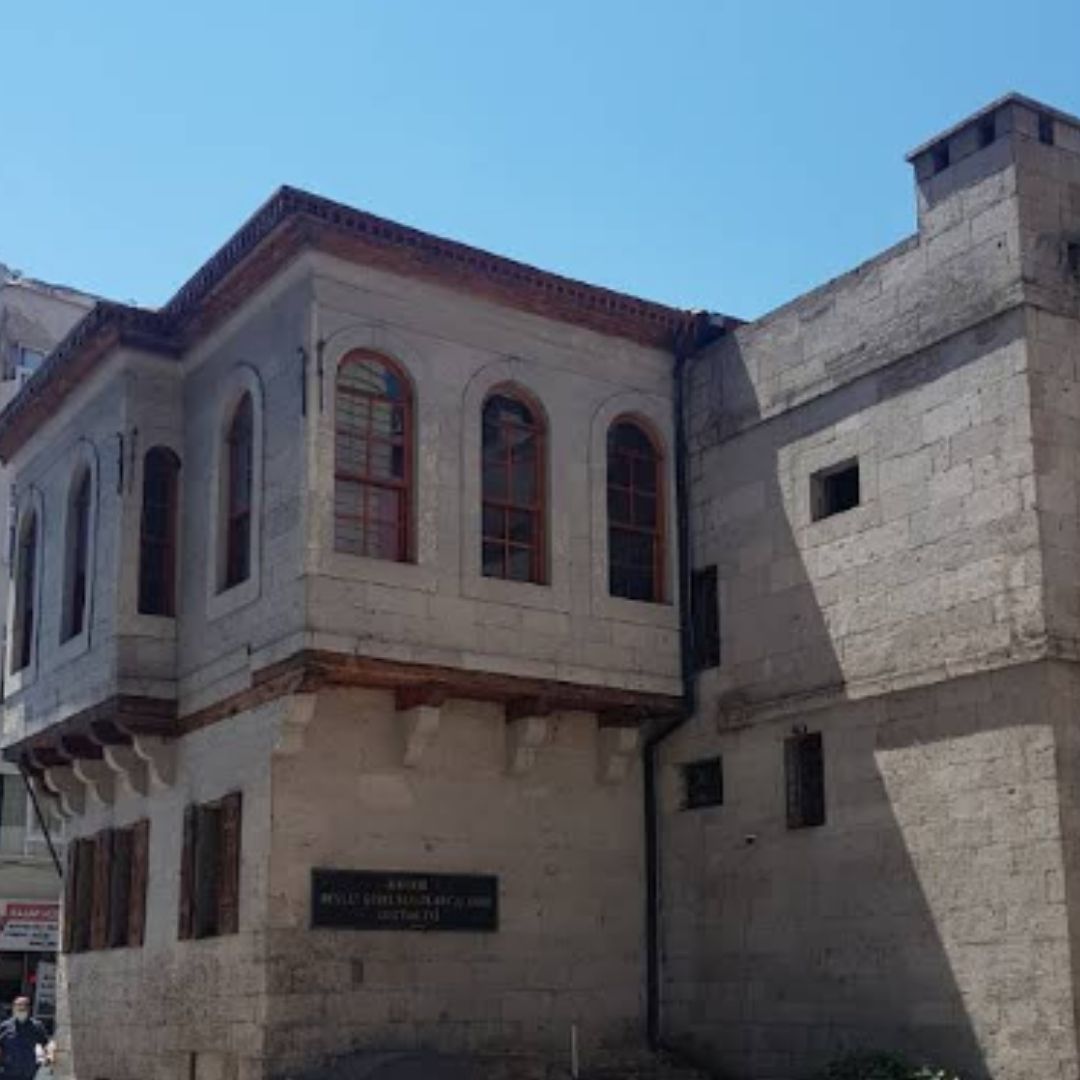
Hunat Hatun Complex stands out with its elegant stone craftsmanship and simple yet impressive architecture. The Hunat Hatun Mosque, the most important structure in the complex, has a rectangular layout and is supported by 56 large rectangular pillars.
🔹 The Majestic Portal
One of the most striking features of the complex is its grand portal, decorated with intricate geometric patterns. This entrance is one of the finest examples of Seljuk stonework, offering a magnificent welcome to visitors.
🔹 Hunat Hatun Mausoleum
Located within the complex, the Hunat Hatun Mausoleum is a modest yet striking structure built from cut stone. It is believed to be the final resting place of Mahperi Hunat Hatun.
🔹 Madrasa and Bathhouse
During the Seljuk period, the Hunat Hatun Madrasa served as an educational center for students seeking knowledge. Today, it is used for cultural and artistic events. The bathhouse, one of the oldest in Kayseri, remains in operation.
Why Visit the Hunat Hatun Complex?
✅ To admire the aesthetic stonework of Seljuk architecture
✅ To visit the tomb of Mahperi Hunat Hatun
✅ To experience a historical journey in Kayseri
✅ To explore a complex that combines Seljuk-era educational and religious structures
Visitor Information & How to Get There
📍 Location: In the city center of Kayseri, just outside the castle walls.
🚗 Transportation: The complex is easily accessible from Kayseri city center. You can use the Advisormapp app to check its location and find the best transportation options.
Conclusion: Discover Kayseri’s Seljuk Heritage!
🏰 The Hunat Hatun Complex is an unmissable destination for those who want to explore the history and cultural heritage of Kayseri. This structure, showcasing the elegance and artistic vision of Seljuk architecture, offers visitors a chance to witness the traces of the past.
📌 Be sure to visit the Hunat Hatun Complex during your trip to Kayseri! 🏛✨
Location
Değerlendirmeler
Nearby places
More places to discover in the same area.