Sahabiye Madrasa
- Historic
Located at the very center of Kayseri, Sahabiye Madrasa is one of the most iconic examples of late Seljuk architecture in Anatolia. With its intricate stone carvings and deep-rooted historical background, this madrasa offers a glimpse into the intellectua
About
Sahabiye Madrasa – A Seljuk Treasure in the Heart of Kayseri
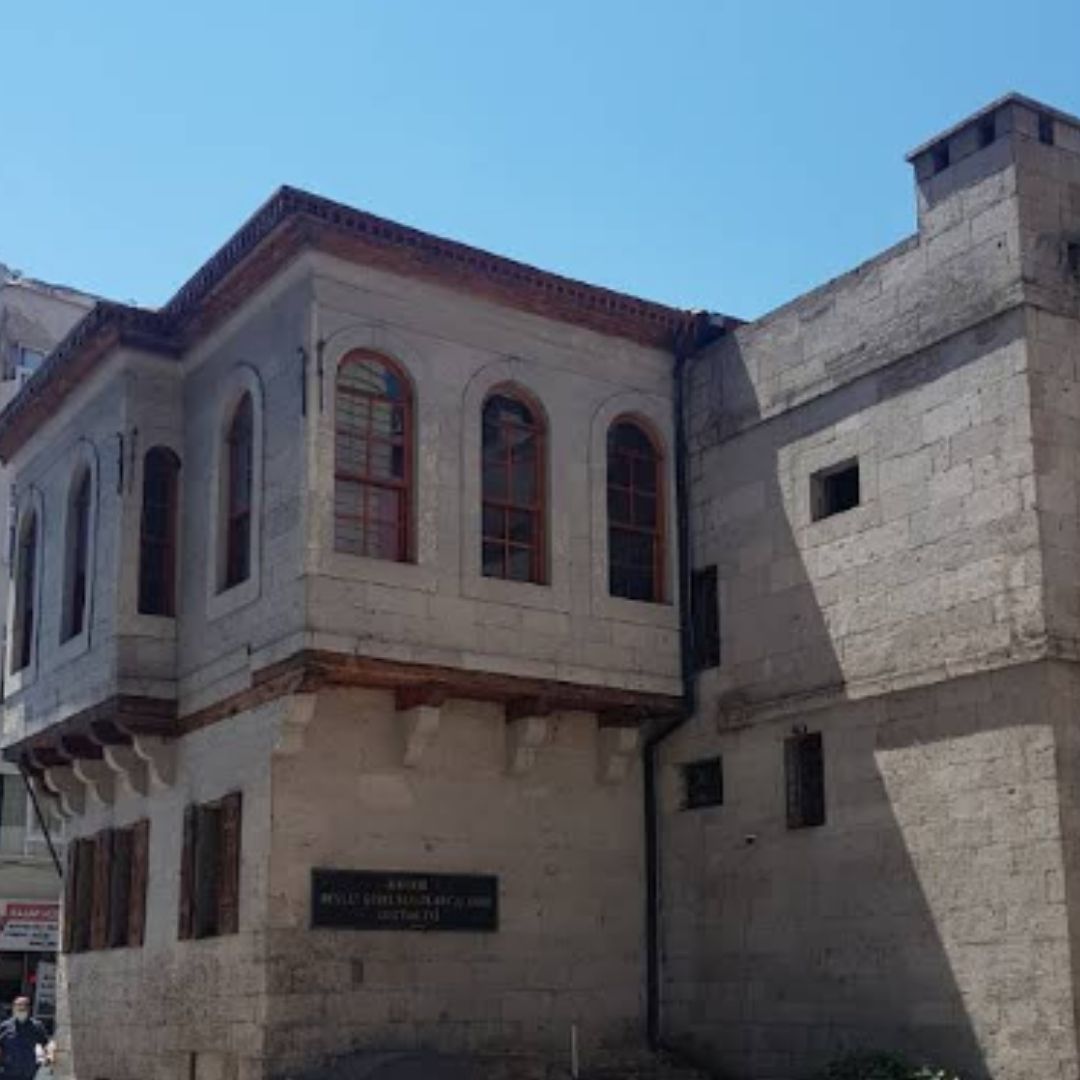
Located at the very center of Kayseri, Sahabiye Madrasa is one of the most iconic examples of late Seljuk architecture in Anatolia. With its intricate stone carvings and deep-rooted historical background, this madrasa offers a glimpse into the intellectual and artistic brilliance of the 13th century.
🏛️ Historical Background
Sahabiye Madrasa was commissioned in 1267–1268 during the reign of Seljuk Sultan Gıyaseddin Keyhusrev III by Sahib Ali bin Hüseyin. Historical research identifies him as the renowned Seljuk vizier Sahib Ata Fahreddin Ali. As a powerful statesman and supporter of science and education, he left behind a legacy of cultural and architectural landmarks—of which Sahabiye Madrasa is one of the finest.
🧱 Architectural Details
The most captivating feature of the madrasa is its geometrically ornamented entrance gate, adorned with detailed stone carvings that reflect the aesthetics of the late Seljuk period. The symmetrical patterns and arabesque motifs are considered masterpieces of Seljuk stonework.
The madrasa follows the classic four-iwan courtyard plan, with rooms arranged around a central open space. It functioned as both a center of learning and a residence for scholars and students.
📍 Location
Address: Cumhuriyet Square, Kocasinan District, Kayseri
Exact Spot: At the intersection of İstasyon Street and Ahmet Paşa Street, right in Kayseri’s city center.
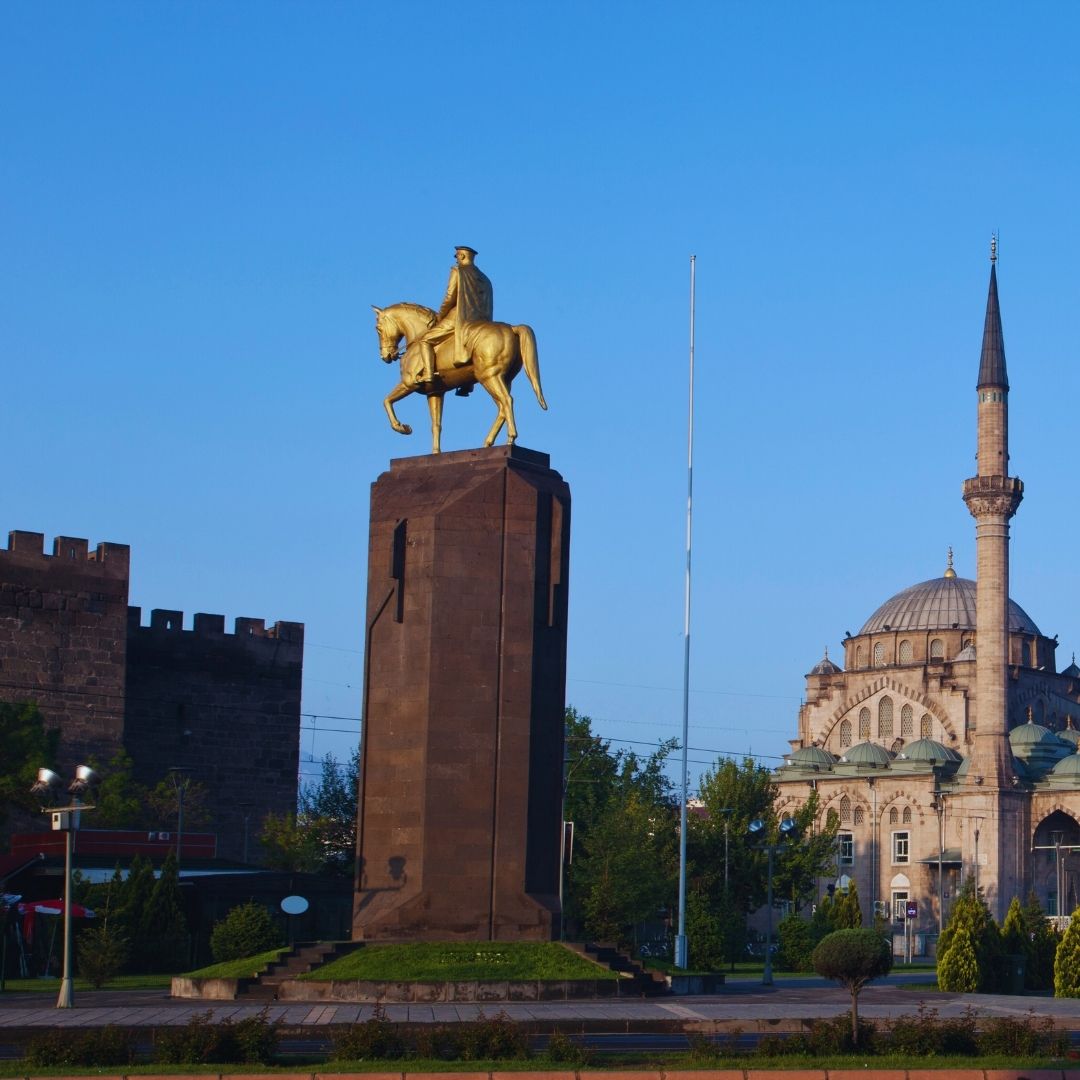
Its central location makes it easily accessible on foot, by taxi, or public transportation.
🚶 How to Get There
Walking: Just a short walk from many popular spots in downtown Kayseri.By tram or bus: Get off at the “Cumhuriyet Meydanı” stop, located a few steps away.By car or taxi: You can use GPS or map apps to navigate to “Sahabiye Madrasa, Cumhuriyet Meydanı, Kayseri.”
📲 Travel Smart with Advisormapp
Discover Sahabiye Madrasa and other historical landmarks in Kayseri with the Advisormapp mobile app. Use the app to get turn-by-turn directions, access audio guides, and find nearby attractions, dining options, and cultural spots. Everything you need is just one tap away.
✨ Quick Facts
📅 Construction Year: 1267–1268🧑💼 Founder: Sahib Ata Fahreddin Ali🏛️ Style: Late Seljuk architecture📍 Location: Cumhuriyet Square, Kayseri🎟️ Entrance: Usually free and open to the public (Confirm with local authorities if needed)
Location
Değerlendirmeler
Nearby places
More places to discover in the same area.