Tatlarin Underground City
- Underground City
Tatlarin Underground City is one of the most intriguing secrets of Cappadocia’s mysterious subterranean world. Located just 10 km from the town of Acıgöl, Tatlarin stands out for its unique characteristics—both as an underground settlement and through its
About
Tatlarin Underground City: Cappadocia’s Hidden Historical Treasure
Tatlarin Underground City is one of the most intriguing secrets of Cappadocia’s mysterious subterranean world. Located just 10 km from the town of Acıgöl, Tatlarin stands out for its unique characteristics—both as an underground settlement and through its associated church, which together attract history enthusiasts from far and wide.
Discovered in 1975 and opened to visitors in 1991, this underground city is renowned for its expansive living spaces, numerous storage rooms, and water wells. Although ongoing excavations have yet to reveal the full extent of its structure, researchers believe that the true size and number of levels remain a mystery. Currently, only two levels are accessible to the public, but recent surveys hint that further levels might be discovered in the future.
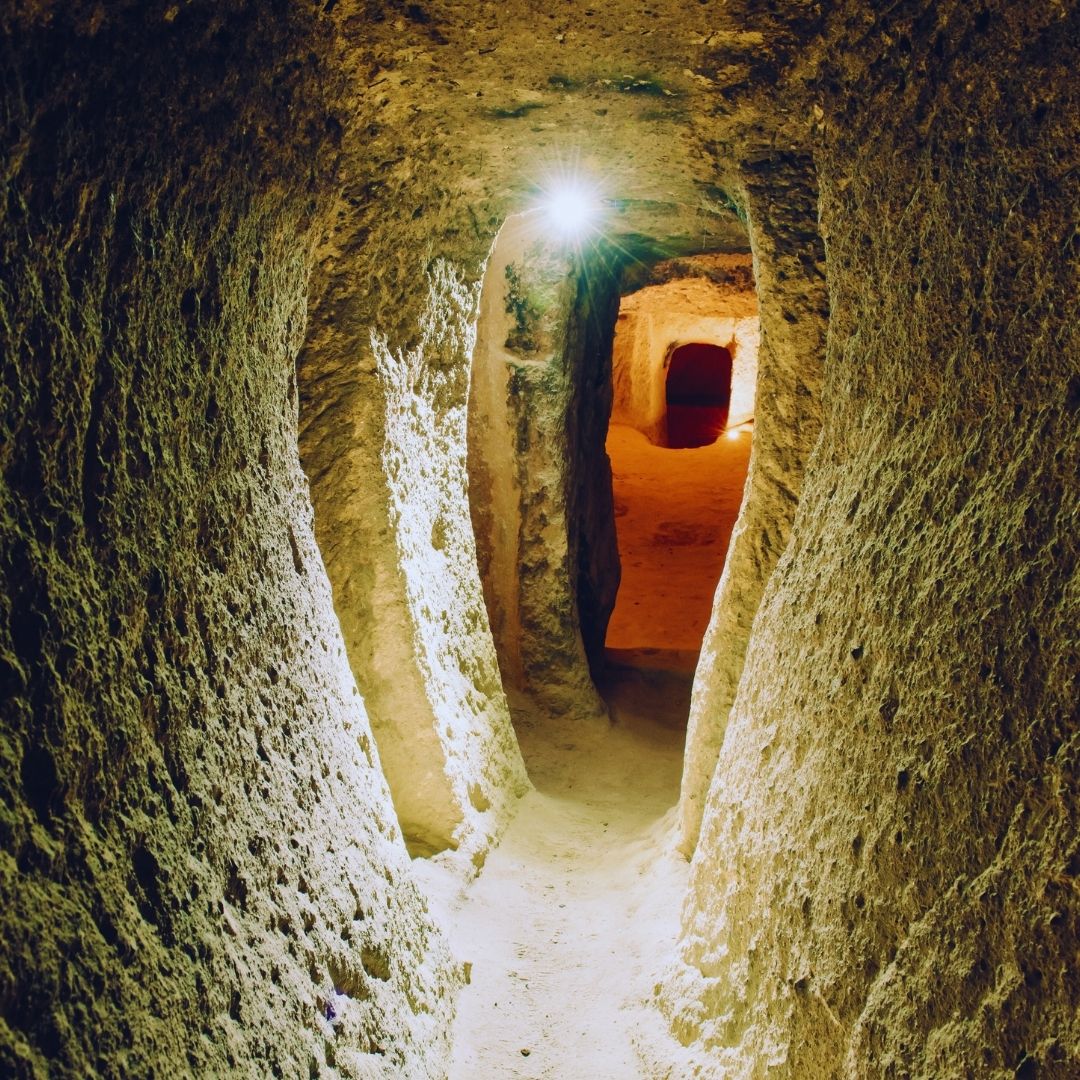
Key Features of Tatlarin Underground CityUnique Entrance Structure: Unlike other underground cities in Cappadocia, Tatlarin is accessed through the mouth of a large rock mass that rises above the village. This distinctive entrance not only provides a strategic defensive advantage but also allows for controlled access to the city.Rare Septic Pit Facilities: Tatlarin is one of the few underground cities in Cappadocia that features toilet and septic pit systems—an uncommon detail in subterranean settlements—which adds to its uniqueness.Possible Monastery Complex: The presence of numerous church ruins and ancient settlement structures in the area has led some researchers to suggest that Tatlarin may have once served as a monastery complex.Expansive Storage and Living Areas: Inside Tatlarin, visitors can explore large storage rooms, water wells, and extensive living quarters that indicate the city was once capable of supporting a significant population.How Underground Cities Were ConstructedEntrances Carved from Slopes: The entry points for underground cities like Tatlarin are typically cut into the sides of hills facing east, west, or south. This orientation protects against harsh northern winds and helps maintain a balanced internal temperature.Constant Indoor Temperature: Thanks to the insulating properties of the volcanic tuff, these underground complexes maintain a stable temperature year-round—providing cool refuge in the summer and warmth in the winter.Defensive Narrow Corridors and Stone Doors: Designed with security in mind, Tatlarin features narrow passageways and heavy stone doors that could be quickly sealed during an attack.Ventilation Shafts: Long ventilation shafts have been dug to ensure proper air circulation through the deep levels of the city. These shafts are often connected to water wells, simultaneously addressing the need for fresh air and clean water.Interconnected Rooms: As seen in Tatlarin, the underground city is comprised of numerous interconnected rooms that served various purposes—ranging from living quarters and storage to worship and daily activities.Travel TipsExplore the Entrance Area: Make sure to take a close look at the impressive entrance carved from a massive rock outcrop—one of the most unique features in Cappadocia. It’s a perfect spot for memorable photographs.Discover the Defensive Mechanisms: Pay attention to the narrow corridors, stone doors, and hidden compartments that reveal how the inhabitants defended their refuge during times of attack.Observe the Septic Pits and Water Wells: Unlike most underground cities, Tatlarin features functional toilet and septic systems along with well-maintained water wells—an interesting detail that underscores the complexity of its design.Compare with Other Underground Cities: After exploring Tatlarin, consider visiting other sites such as Kaymaklı, Derinkuyu, or Özkonak Underground Cities to appreciate the architectural diversity and ingenuity across the region.Enhance Your Visit with Advisormapp:<li class=
Location
Değerlendirmeler
Nearby places
More places to discover in the same area.