About
Göreme Open-Air Museum: Cappadocia’s Most Enchanting Religious Heritage Site
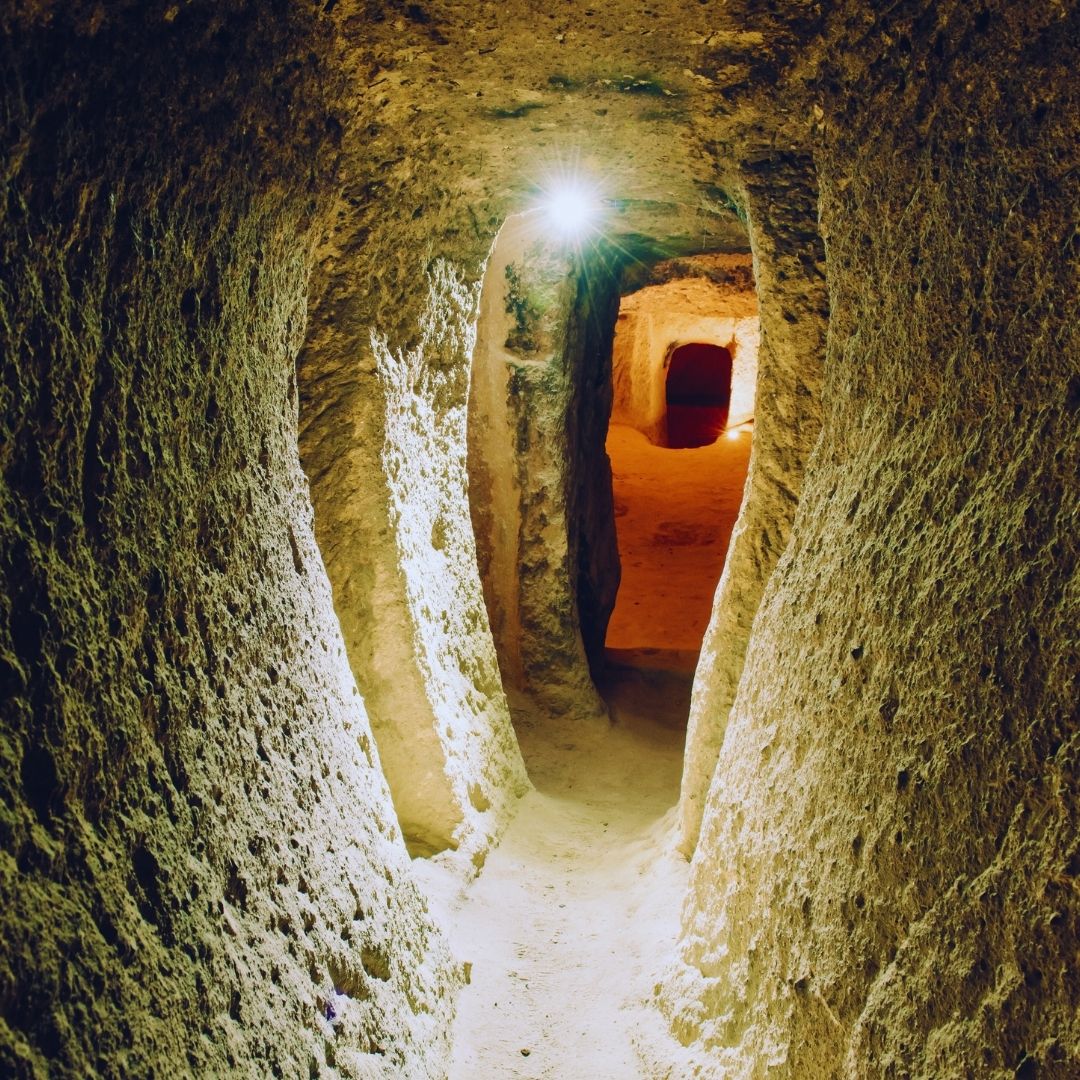
The Göreme Open-Air Museum (Göreme Açık Hava Müzesi) is one of the most important cultural and historical sites in Cappadocia. Recognized as one of the earliest and most significant monastic centers of Christianity, this unique site is located just 2 kilometers from the town of Göreme and 13 kilometers from the center of Nevşehir. From the 4th to the 13th century, monks and hermits carved out and inhabited churches, chapels, and monasteries within the soft volcanic rock.
While the exteriors of the churches are often simple, their interiors are adorned with vivid frescoes and religious motifs, reflecting both artistic mastery and deep spiritual devotion. After the iconoclastic period (8th–9th centuries), vivid scenes from the life of Jesus and the apostles were painted using fresco techniques. Though many have suffered damage from natural wear and human interference, recent restoration efforts have helped preserve this priceless heritage.
Today, the Göreme Open-Air Museum is a UNESCO World Heritage Site and one of the most visited attractions in Cappadocia, welcoming hundreds of thousands of visitors every year.
Highlights of the Göreme Open-Air Museum
1. Elmalı (Apple) Church
Built in the 11th–12th century, the Apple Church is known for its 15 frescoes depicting scenes from the life of Jesus. The interior features red and blue tones and is in excellent condition. The church’s name may come either from a round object in Jesus’s hand resembling an apple or from an apple tree that once stood near the entrance.
2. Saint Barbara Church (Azize Barbara Kilisesi)
One of the most distinctive churches in the museum, decorated with geometric patterns, crosses, mythical creatures, and plant motifs. Scholars believe these symbols were intended to ward off evil spirits.